
Showing 37–41 of 41 resultsSorted by popularity
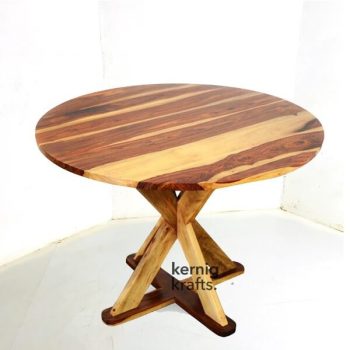


Dining rooms are meant for social engagement, either amongst family members for regular meals or occasionally small relatives get-togethers. People come together to eat, interact and cherish moments together.
Furniture for dining rooms is shaped together to assist with dining meals, hosting events, storing and holding serving essentials.
Right sitting posture- Dining table and chair are designed to provide comfort while eating. Their height and back support are manufactured to support spine posture with a chair backrest, loosening up hands and legs with appropriate seat height, with an armrest.
Furniture dimension designs- Furniture for dining rooms is designed distinctly; every furniture dimension plays a significant role in a perfect dining room.
Height, weight, space between chairs and table, space between chair legs, distance from chair seat to the floor, storage space for cabinets, all these dimensions are designed with Universal standard sizes.
Catering for guests- Dining room provides a hosting place for hosting guests and family gatherings. The right table size, number of chairs, storage furniture, and expandable furniture are there to make every gathering more memorable.
Storage for dining room- Dining rooms aren't just limited to dining tables; there are things like cutlery, plates, serving bowls, salt, and pepper dispensers, which are needed for hosting formal dinners. Sideboards, crockery cabinets, and drawers are storage furniture just built to store and organize dining table essentials.
Space organization- When furniture is purchased and arranged according to dining room dimensions, there is enough space to walk, sit, eat, host and store. It is well recommended to consult a person with design knowledge before buying furniture for the dining room.
Dining tables are core furniture pieces for any dining room, whether it's a family gathering or occasional dinners, the dining table records rich memories, shares remarkable moments, and is more than a meal.
Design elements related to dining tables:
Shapes: Dining tables are manufactured in different shapes, such as Rectangular, Round, Square, and Oval. Selecting the right shape for the dining room depends on room dimensions, design, personal preference, and different room designs.
Material: In most scenarios, mixed material furniture is preferred for dining rooms, like a solid wood dining table top with a metal pedestal stand. Generic material used for manufacturing dining tables is: -
Seating capacity: Dining tables are made to support seating for 2, 4, 6, or 8.
Dining chairs are associated with dining tables; they are designed to provide a proper sitting posture to eat comfortably during meals. A perfect dining chair is manufactured with standard dimensions and uses different materials.
Design elements used to manufacture a dining chair:
Design: Dining chairs can be designed with or without arms according to customers' preferences; numerous materials can be added to customize dining chairs, like cane, ropes, and carvings.
Chair Structure: Ideal dining chairs are designed with seating, backrest, legs and armrest.
Seat: Dining chairs seats are placed on top of four legs designed to provide comfort and anchoring weight while sitting. The dining chair approx height from the floor is 17 inches, width 16 inches. Leather, velvet and other fabrics are used to cover it for beautification.
Backrest: Backrests are vertically inclined parts attached above the seat, and when a person sits on the chair, their back receives support from it. Approx backrest height from the seat is 12 inches, and from the floor is 32 inches. Rope, cane, carving and many more designs are available for the backrest.
Legs: Stable legs support the strength mechanism for dining chairs; they hold weight and avoid tipping of chairs. Approximate leg heights from the floor are 16 inches, the space between legs is 16 inches, and the leg thickness is 2 inches.
Armrests: Armrests are placed aligned to both the left and right sides of chairs above the seat and in front of the backrest. Usually, dining chairs don't have armrests to save space between the dining table and chairs, but they are designed according to customer preference.
Materials -
On the outside, fabrics are used which are attractive and are easy to wash and clean stains.
Carving, handcrafted designs, and inlays can also be
Dining benches are wooden long slabs with legs used as substitutes for dining chairs. Dining benches have their own benefits as they provide flexible and extra seating, they save a lot of space as they are placed inside tables, and upholstery can be attached to the benches.
Design elements related to dining bench :
Dining Bench Structure
Dining bench structure is designed through the merger of seat, frame, legs and upholstery; these elements are combined to form a sturdy bench structure.
Seat: A Sitting surface on which people sit and enjoy meals, designed with standard depth and width. The surface for seats can be solid with a smooth finish, upholstered or cane crafted based on the consumer's preference.
Frame: Frames are structures which connect the seat, legs and backrest. Sturdy frames are the backbones for dining seats, so they need to be strong and stable. They can be either manufactured through one material or with a combination of different materials.
Legs: Legs hold the overall weight and stabilize the bench for steadiness. Legs can be designed with different patterns, but they must be balanced and capable of bearing standard weight. Either wood or metal can be used to make legs for dining benches.
Upholstery: Seating area of dining benches is covered with soft cushion-type material to facilitate comfort while seating for the meal.
Materials
A wide variety of materials are used in the manufacturing process of a dining bench. Some essential materials are ;
Wood: Solid wood benches use mango wood, acacia wood, rose wood, and teak as raw materials. They are strong and durable with easy refurbishment traits.
Metals: Metals are used either as legs for dining benches or as whole dining benches. Industrial design benches are popular in such categories. They are lightweight and sturdy enough to hold multiple people.
Upholstery: Dining bench with upholstery support created comfortable and spacious seating. Dense foam covered with premium fabric like leather enhances its outer appearance.
Cane: Cane work can be crafted on wood as well as metal; it's more than just decoration on furniture, it symbolizes premiumization and is made of natural materials.
Dimensions
Dining benches are manufactured to align with dining tables, so they are made in accordance with the table's length.
Seat height: Standard seat height from the floor for a dining bench is approximately 17 inches to support sitting and dining with tables.
Seat depth: Standard seat depth for dining benches is 14 inches to provide adequate tight support with leg movement.
Bench length: Though benches are manufactured according to dining benches, their standard height varies between 48 inches and 72 inches.
Sideboards were traditionally designed as storage solutions for dining rooms, but now, design trends are modernized. Sideboards are now modernized, stylish and they are identified for multiple uses other than storage.
Sideboards for dining rooms are usually manufactured with solid wood, they can be horizontally or vertically placed against the wall, and different types of cabinets, storage and compartments are added for better organization, and it is covered with glass and a door.
Structure for dining room sideboard :
Structure for sideboard refers to internal as well as external components combined together to strengthen sideboards for dining rooms and glorify its exterior.
Frame: The internal structure inside the sideboard is called the frame; it bears the entire load for the storage item inside the sideboard.
Top panel: Sideboards are covered horizontally from above to secure storage, with an additional benefit, which provides an extra stand to be used as a display or buffet during family gatherings.
Storage compartments: Storage is a basic requirement for any dining room; you can't just leave dining stuff all around. The dining room essentially needs to be addressed appropriately inside a sideboard so they can be utilized whenever required without any hassle.
Doors and front panel: Sideboard manufactured for the dining room have traits to cover the front portion from either door to save it from dust, or additionally, glass panels are added to display dining room essentials.
Different forms of design options are available for dining room sideboards, like wood panels, glass panels, cane weaving, hand carving and many more.
Base: The Sideboards' bottom structure is called the base, and it ensures proper distribution of load for stability on different floors. The base consists of straight legs, tapered legs, plinth bases and metal frames.
Back panel: Back panels are not visible as they are placed aligned to the walls, and they are covered to protect stored accessories.
Hardware and Joinery: Hardware and joinery determine how long the sideboard will survive inside a dining room.
Hardware like hinges, drawer slides, handles, knobs and internal connectors are functionally necessary for accessibility and convenience.
Implementing joinery methods like mortise and tenon, dovetail joints and reinforced screws ensures stability and craftsmanship for dining room sideboards.
Material used for manufacturing Sideboards for the dining room :
Different types of materials are combined to make the best sideboards for the dining room; not necessarily every material is used, but a mixed material methodology is applied while manufacturing sideboards for the dining room.
Wood: Wood as a raw material is processed to manufacture wooden sideboards. Two reasons why one must invest in wooden sideboards first are that different kinds of designs, like carving, caning, and grid, are possible on wood. Secondly, they are easy to refinish and repair cracks in wooden furniture.
Different types of wood are preferred for wooden furniture, like acacia wood, as they are capable of holding more load. Sheesham wood displays a natural finish, mango wood, which is lightweight and highly beneficial for carvings, teak wood, pine wood, oak wood and many more.
Mixed Material: When more than one material is used to manufacture sideboards for the dining room, for instance, canework on a wooden sideboard, in this process, different materials are used to manufacture a furniture piece. An industrial-style sideboard for the dining room is a perfect example of mixed-material furniture.
Glass panels: Sideboards aren't just limited to storage; people also prefer transparent storage to display crockery and other dinnerware.
Marble tops: Marbles are placed on top of the sideboard; they are heavy, durable and easy to clean surfaces. It can be best used for buffet purposes.
Dining room sideboards Functionality:
Primary function: As the name suggests, dining room sideboards' primary function is to store crockery, cutlery, glassware and other dining accessories.
Flat top surface: Sideboards' top surface is multifunctional; they can be used for decorative purposes or for buffets.
Cabinets with hinged or sliding doors - Hinged doors are attached to the front side of the sideboard, enabling smooth rotational movement to open or close the sideboard.
Sliding doors move horizontally against opening outwards; they save space and are convenient to use.
Drawer for small dining accessories: Drawers make it more convenient to organize all essentials, as space is divided for different essential items.
Open shelves and glass front section: Open shelves sideboards are uncovered storage sections, which make them easily accessible. On the other hand, the glass front section of the sideboards contains glass panels on the door.
Display cabinets are designed not just to store dining essentials but also to display them in an organized way. Apart from storing dining essentials, display cabinets showcase decorative design artefacts; in this way, it's more than just storage furniture.
They are around five feet tall and three feet wide, mostly manufactured from wood, and they have shelves, and their front side is covered with glass doors.
Different categories of display cabinets are available for dining rooms :
Front Glass display cabinets: Display cabinets with front glass doors are ideal for showcasing dining room and decorative items.
Open shelves display cabinets - Display cabinets which are not covered with glass doors or any other materials. They are kept open for easy accessibility and mobility.
Hutch display cabinets: Hutch display cabinets are partially visible with a glass door on top, and their bottom portion is hidden behind drawers or non-visual cabinets.
Corner Display cabinets: Corner display cabinets are meant for room corners. They are designed in a triangular shape to fit in the corner. They store and also save space by utilizing corners well.
Multiple Materials options are available for manufacturing display cabinets :
Wood: Mostly solid woods like sheesham, acacia, mango and more are used for manufacturing structural bases for display cabinets. Wooden cabinets are easy to repair and furnish.
Glass: Glass is used to make the front door visible for display cabinets; additionally, it doesn't allow dust inside cabinets. They are easy-to-clean materials.
Metal: Metal is blended with other materials to manufacture mixed-material display cabinets. Industrial-style furniture consists of wood and metal designs.
Marble: Sometimes marble shelves are added inside display cabinets for a better design.
Features beneficial for display cabinets inside the dining room :
Storage with display: Display cabinets can be used for multiple purposes, one of which is to display, and the other is to store. For this feature, hutch display cabinets are meant, and they are widely used.
Dimensions: Display cabinets' length and height are designed in such a way that they fit in different-sized dining rooms.
Doors: Different types of doors are used in display cabinets; hinged or sliding doors are available.
Finish: Display cabinets are finished in different designs, like natural finish or multiple colours.
Light: Lights are added inside display cabinets to showcase elements inside.
Benefits of buying a display cabinet for a dining room :
Organization: Display cabinets are used to organize dining essentials for convenient accessibility for daily meals or hosting during gatherings.
Appropriate storage space is provided in the form of cabinets and shelves for arranging dining essentials according to their shape and size.
Decoration piece: Placing display cabinets as a place to hold designs and decor to improve the dining room ambience.
Protection: Apart from showcasing, display cabinets protect inner belongings from dust and minimize its movement.
Customization: Customization is a process in which furniture is manufactured based on the consumer's size, materials, finish, and space.
Manufacturing furniture from wood is an age-old practice; wood strengthens furniture's durability, and different types of wood grains furnish many types of finishes.
Characteristics of wood as a raw material for wooden furniture:
Structural Soundness - Two types of wood are available for manufacturing wooden furniture: hardwoods and solid wood.
Hardwoods are prioritized to build dining room furniture as they are heavier and denser compared to Softwoods. High demanded hardwoods for manufacturing furniture are :
| Mango wood | Acacia wood | Sheesham Wood | Teak wood | Mahogany wood |
Eye Caching: Wooden furniture resembles earthly tone, wood has grains which are streaks visible on the surface, there are knots, the minor oval marks where branches were once attached and the texture of wood that can be felt by touch.
Hassle-free craftsmanship: Wood is widely used for furnishing, as carving design can be inscribed on the wooden surface. Carving is a process of creating structure and design by skilled artisans.
Turned legs can be designed efficiently from wooden slabs. Turned legs are base structures used for dining tables or chairs; they are shaped on a lathe machine, which spins the wood, and artisans design them.
Inlay work is craftsmanship done on wooden structures in which bits of materials like resin, mother of pearl, and brass are carefully placed into carved grooves on the wooden surface.
Well-polished wooden furniture remains protected from scratches, glows for a long time and beautifies the entire dining room.
Easy customization: Wooden furniture provides easy customization for almost every furniture article, as wood is easy to cut, shape, and multiple finishes are suitable for it.
Refurbishable- Minor scratches and dents are easily fixed on any wooden furniture surface by the sanding process or refinishing.
Marble is a natural stone known for their flowing marks and lines. It is also available in multiple colours and patterns, used in manufacturing dining table tops and sideboards. Marbles are long-lasting furniture, easy to clean and resistant to scratches.
Metal is the supporting foundation for different types of furniture pieces like chair frames, table bases, and legs; they are meant to bear heavy-weight table tops like marble or wood.
Metals require minimal maintenance, and they bear less cost compared to other furniture. Metals are preferred for dining room furniture because they can resist damage like cracking, bending, and moisture. With proper powder coating, metal furniture remains rust-free.
Metals are designed into different shapes and sizes by moulding, welding, bending and laser cutting. In addition, metals are combined with other materials to manufacture dining room furniture. Industrial-style furniture is popular for dining room interiors.
Iron: Iron is amongst the strongest metals used beneath dining table tops and frames for dining chairs. It is powder-coated to resist rust and used for an extended period of time.
MS Steel ( Mild Steel)- Mild steel metals are strong, and they are a cost-effective choice; they are used as frames for dining tables and chairs.
SS Steel ( Stainless Steel)- Stainless steel is rust and scratch-resistant, beneficial beneath transparent glass tops.
Aluminium: Aluminium is a lightweight metal, which makes it a good material for dining chairs. It does not rust very often, and moving aluminium furniture is very convenient.
Brass: Brass is a naturally golden-toned premium metal, used as legs, trims and bases. Brass is a luxurious metal used to manufacture furniture.
Copper - Copper is a reddish brown tone used for inlays and trims. Copper metal used for furniture is too luxurious.
Wrought Iron: Wrought Iron is economical and used for making curved furniture.
Metal Alloys: When two or types of metal are combined to make furniture.
Upholstery means a Soft coating used to cover furniture articles to maximize their visual appeal. With respect to dining rooms, different types of colours and patterns are added to the back and seating of the dining room chair.
Features that mandate upholstery for the dining room :
Usage: Upholstery is an affixing pad for seating and backrest for dining chairs or for dining room pouffe to provide comfort for seating and make them more visually attractive.
Premiumization: Diverse fabrics like leatherette, velvet, solids, floral, and outdoor are available to select the most preferred fabric to match the dining room decor design.
Maintenance: High-grade fabrics aid in resisting stains, and they are easy to clean.
Foam: Highly dense foams are used for upholstery work; they're durable for many years and support long hours of sitting.
Material used for dining room upholstery:
Fabrics - A kind of upholstery material manufactured through the process of weaving, knitting, crocheting or bonding fibres together. These raw fabrics are then used in different furniture articles like dining chairs, pouffes.
Fabrics can be natural, like cotton, silk, etc, synthetic, like nylon, acrylic, polyester or a blend of both types of fabric.
Leather: Leather is naturally obtained from the tanned hide of animals like goats or sheep. It is an age-old traditional practice. Leather, known for its durability, is considered luxurious furniture for premium dining room needs. It single-handedly raises the cost of production for any furniture, but it highlights a high-quality impression.
Faux leather: Faux leather is a manufactured material designed to replicate genuine leather; it's made from PVC. It gives the same sense of touch and feel as genuine leather and is more affordable than leather. But compared to genuine leather, it's less durable.
Performance fabric- performance fabrics are specifically designed to perform well in situations like resisting stains, water, and odour, and they are more absorbent than regular fabrics. Dining room upholstery is more prone to stains and liquids than any other room furniture.
Qualitative approach: Buying furniture for the dining room and buying any other household goods are two different scenarios. Buying premium furniture is an investment. Firstly, it represents imperial status, and secondly, it lasts for a long time in your bedroom.
Comfortable seating: The Purpose behind investing in premium dining room furniture is to provide long sitting hours during family gatherings or day-to-day meals. A healthy sitting posture is the primary condition for any dining seating furniture. Check personally before buying any dining chair, as seating comfort is more important than design.
Interior Design: Dining rooms are designed with owners' likes and preferences, but it's always in the best interest to hire professional interior designers as they are well-trained and aware of different design styles like modern, traditional, rustic, contemporary and know precisely what is needed for the dining room.
Dining room space: Dining room size has always been a dominating factor in selecting appropriate dining room furniture. There should be enough space for free movement for serving, and walking in a dining room should not look overcrowded.
Visually appealing - Sturdiness is not enough; furniture must be visually attractive, as it is the main attraction for dining rooms. Different types of finishes complete a furniture piece, such as wood grains, polish, upholstery, metal finish, and carving.
Functionality: Functional features for any dining room furniture are to assist in serving, storing, and hosting all dining essentials. Additionally, customising furniture provides additional features like excessive storage, organisation for cutlery and crockery items and expandable furniture that can be customised to extend whenever needed.
Durability and craftsmanship: Before buying furniture for the dining room, go through every minor manufacturing detail, like joints, fittings, fixtures, and upholstery. Every material used during the manufacturing process must be durable. Buying furniture with mixed materials like wooden tables with metal legs is beneficial, as visible parts are attractive and hidden bases are strong.
1. What furniture is essential for a dining room?
Essential dining room furniture includes a dining table, dining chairs or benches, and storage units such as sideboards or display cabinets for crockery and dining essentials.
2. Why is dining room furniture important?
Dining room furniture supports comfortable seating, proper posture, organized storage, and creates a welcoming space for meals, family gatherings, and hosting guests.
3. What are the common shapes of dining tables?
Dining tables are commonly available in rectangular, round, square, and oval shapes. The choice depends on room size, layout, and personal preference.
4. What materials are best for dining room furniture?
Popular materials include solid wood (sheesham, mango, teak, acacia), metal, marble, glass, upholstery fabrics, cane, and mixed materials for durability and aesthetics.
5. What is the standard height of a dining table and chair?
A standard dining table height is around 30 inches, while dining chair seat height is approximately 17 inches to ensure comfortable seating posture.
6. Are dining benches better than dining chairs?
Dining benches are space-saving, flexible, and provide extra seating, while dining chairs offer individual comfort and better posture support. The choice depends on space and usage.
7. What is the purpose of a sideboard in a dining room?
Sideboards provide storage for cutlery, crockery, glassware, and also serve as display or buffet surfaces during gatherings.
8. What types of display cabinets are suitable for dining rooms?
Common types include front-glass cabinets, open-shelf cabinets, hutch cabinets, and corner display cabinets, each offering storage and decorative display options.
9. How do I choose the right dining room furniture size?
Measure your dining space carefully, maintain proper walking clearance, and select furniture that aligns with room dimensions and seating requirements.
10. What should I consider before buying dining room furniture?
Consider comfort, durability, material quality, craftsmanship, design style, functionality, storage needs, and available dining room space before making a purchase.