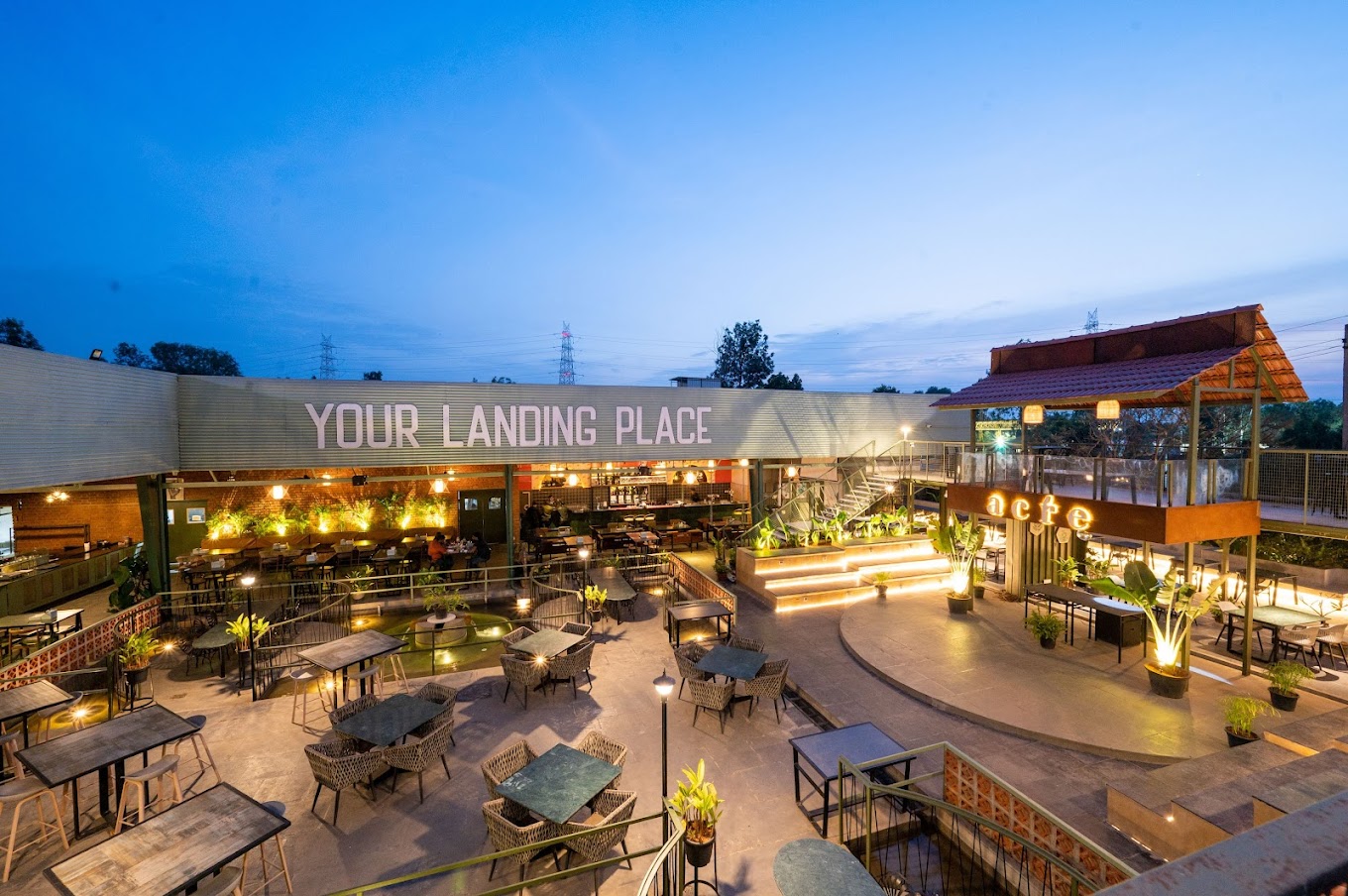
How to not regret after investing in restaurant furniture design
learn from experts on how to select restaurant furniture that adds value to your establishment while ensuring comfort and saving on durability costs for the long run. Achieve the right design and materials and layout your restaurant for success.
Restaurant furniture design is the process of selecting and arranging furniture like restaurant tables and chairs, restaurant seating design, and counters in a way that matches your theme, improves comfort, and supports smooth operations. It's not just about how your restaurant looks—it's about how it feels and functions for both customers and staff.
The importance of good restaurant furniture design is huge. Comfortable seating, the right table sizes, and a well-placed restaurant countercan directly impact customer satisfaction, table turnover, and even how long people stay in your restaurant. A well-designed space creates a better dining experience and helps build your brand image.
On the other hand, failing to plan properly can lead to major losses. Poor restaurant seating design can make customers uncomfortable, bad layouts can reduce your seating capacity, and low-quality furniture can increase repair and replacement costs. All of this affects your revenue and reputation.
To avoid these problems, you need to carefully plan your restaurant furniture design. Start by understanding your concept and target audience. Then plan your layout, choose durable materials, and select the right restaurant tables and chairs that balance comfort and space. Always think about both design and functionality together—this is the key to making a smart, long-term investment.
Restaurant furniture design plays a big role in how people feel when they walk into your space. It's not just about picking good-looking tables and chairs — it's about creating an atmosphere where customers feel comfortable and want to stay longer. When your furniture matches your theme, whether it's modern, rustic, or luxury, it helps build a strong first impression.
A smart Restaurant furniture design also focuses on comfort. If chairs are uncomfortable or tables are too small, customers won't enjoy their time, no matter how good the food is. Choosing the right materials is equally important. Durable furniture ensures you don't have to replace items frequently, saving money in the long run.
When planning your layout, think about space management. A well-organized Restaurant furniture design allows smooth movement for both customers and staff. It avoids overcrowding and creates a relaxed dining experience.
In the end, investing in the right furniture is an investment in your brand. Thoughtful restaurant furniture design not only attracts more customers but also keeps them coming back, helping your business grow steadily.
From the bar to the dining area: restaurant furniture design fitting
Every part of your restaurant needs thoughtful furniture selection. From the entrance to the dining area, everything should feel connected.
Every part of your restaurant should feel connected and well-planned. From the entrance to the dining space, the furniture you choose must follow a consistent theme. Thoughtful restaurant furniture design and a well-furnished approach ensure your space looks visually appealing while also functioning smoothly for daily operations. When everything blends well, it creates a better customer experience and leaves a lasting impression.
Restaurant tables and chairs design
Your tables and chairs are the core of your setup. A strong restaurant table and chairs design focuses on comfort, durability, and easy maintenance. The right combination of size, shape, and material helps you use your space efficiently. You can also experiment with creative layouts and styles that match your restaurant's theme while keeping practicality in mind.
Restaurant seating design
A smart Restaurant seating design helps you balance comfort and capacity. Mixing different seating options like booths, chairs, and bench seating allows you to serve different types of customers. This not only maximizes your space but also adds visual variety, making your restaurant more inviting.
Restaurant counter design
The Restaurant counter design is an important element that combines functionality and style. It should be designed to support smooth staff operations while also enhancing the overall look of your space. A well-designed counter can act as a focal point and improve workflow efficiency.
A clean, simple Restaurant cash counter design ensures fast billing and smooth customer flow. Proper placement and organization help avoid crowding and improve the overall flow of your restaurant.
Restaurant reception counter design
Your restaurant's reception counter design creates the first impression. It should be welcoming, well-organized, and aligned with your brand identity. A strong reception area sets the tone for a great dining experience.
The functionality and looks of the furniture design should sync
In restaurant furniture design, focusing only on appearance is a common mistake. While stylish furniture may attract customers at first, it's the comfort and usability that truly define their experience. Chairs should support proper seating posture, tables should be at the right height, and layouts should allow easy movement. When these practical elements are ignored, even the best-looking space can feel uncomfortable.
A well-balanced restaurant furniture design considers both aesthetics and functionality. For example, materials should not only look premium but also be durable and easy to maintain. Furniture that is difficult to clean or wears out quickly can create long-term problems for restaurant owners.
Functionality also plays a big role in staff efficiency. Proper spacing between tables, easy-to-move chairs, and well-placed counters help staff serve customers smoothly. This improves service speed and overall workflow.
When design and functionality work in sync, it creates a seamless and enjoyable experience. Customers feel comfortable, staff work efficiently, and the space looks visually appealing. This balance is what turns a well-designed restaurant into a successful one.
Quality matters: why your restaurant furniture design investment should focus on durability
When it comes to restaurant furniture design, durability is not something you can ignore. Your furniture is used daily — from heavy customer traffic to frequent cleaning — so it needs to be strong enough to withstand wear and tear. Choosing low-quality furniture may save money initially, but it often leads to frequent repairs and replacements, increasing costs over time.
Investing in high-quality materials like solid wood, metal frames, or premium engineered boards ensures your furniture lasts longer. A durable restaurant furniture design not only maintains its structure but also preserves its appearance, which is important for your brand image. Worn-out or damaged furniture can leave a negative impression on customers.
Durability also means lower maintenance. Good-quality furniture is easier to clean, stain-resistant, and less likely to break. This reduces downtime and helps your restaurant run smoothly without constant interruptions.
In the long run, spending more on durable furniture is actually a smart business decision. A well-planned restaurant furniture design focused on quality delivers better returns, enhances the customer experience, and supports your operations without incurring frequent extra costs.
Find local suppliers to boost your business
Choosing local suppliers for your restaurant furniture design can be a smart and practical decision. Working with nearby manufacturers gives you better control over customization, allowing you to create furniture that perfectly matches your restaurant's theme and layout. You can easily communicate your requirements, make quick changes, and ensure the final product meets your expectations.
Local sourcing also helps you manage costs more effectively. Since transportation and logistics are simpler, you can often get better pricing compared to importing furniture from distant locations. This makes it easier to stay within budget while still maintaining quality.
Another big advantage is faster delivery. Local suppliers can complete orders and deliver them more quickly, helping you set up or upgrade your restaurant without delay. In case of repairs or replacements, support is also quicker and more reliable.
In well-known furniture hubs, you'll find skilled artisans who specialize in restaurant furniture design. Their experience and attention to detail can give your space a unique and high-quality finish. Overall, choosing local suppliers not only supports your business operations but also adds value through better service, flexibility, and craftsmanship.
Rising trend towards outdoor restaurant furniture design
Outdoor dining spaces are becoming a major trend in the food industry. Customers today enjoy open-air environments where they can relax and socialize, making outdoor restaurant furniture design an important part of modern restaurant planning. A well-designed outdoor area can instantly attract more customers and increase your seating capacity.
When planning outdoor spaces, durability is key. Furniture should be made from weather-resistant materials, such as treated wood, metal, or high-quality plastic, that can withstand sun, rain, and dust. This ensures your restaurant furniture design stays strong and looks good even with constant exposure to outdoor conditions.
Style also plays a big role. Your outdoor setup should match your indoor theme to maintain a consistent brand look. Adding elements like comfortable seating, umbrellas, lighting, and greenery can enhance the overall ambiance and create a welcoming vibe.
Another advantage of outdoor restaurant furniture design is flexibility. You can arrange seating for small groups, large gatherings, or even casual walk-ins. This helps you cater to different customer needs while maximizing space usage.
Overall, investing in outdoor furniture is a smart move. It not only enhances your restaurant's visual appeal but also improves the customer experience and business potential.
Creating a perfect blend between price and interiors
Balancing cost and style is one of the most important parts of planning your restaurant furniture design. Many restaurant owners either overspend on luxury items or cut costs too much, compromising on quality. The right approach is to find a middle ground where your furniture looks great, performs well, and stays within your budget.
Start by prioritizing essential items like tables, chairs, and counters. Invest in good-quality pieces for high-usage areas, as they will last longer and reduce replacement costs. At the same time, you can save money by choosing simpler designs for less noticeable areas. A smart restaurant furniture design focuses on where to spend and where to save.
Your furniture should also match your interiors. Colors, materials, and finishes should complement your overall theme, whether it's modern, rustic, or fine dining. Even budget-friendly furniture can look premium when well-coordinated with your interior design.
Customization is another great way to balance price and aesthetics. Local manufacturers often provide flexible options that help you achieve the desired look without overspending.
In the end, a well-planned restaurant furniture design is not about choosing the cheapest or the most expensive options—it's about making smart decisions that give you both style and value.
How to buy the right set of furniture for the restaurant design and get the best prices
Buying the right furniture for your space starts with proper planning. Before selecting anything, create a clear layout based on your available space, seating capacity, and restaurant concept. A well-defined plan helps you choose the right sizes, quantities, and styles, making your restaurant furniture design more efficient and organized.
Next, take time to compare different suppliers. Don't go with the first option you find. Check product quality, materials, finishes, and pricing from multiple vendors. This helps you understand the market and ensures you're getting value for your money. Always ask for samples or images to verify quality before placing large orders.
Material selection is equally important. Choose furniture that is durable, easy to maintain, and suitable for your type of restaurant. Strong materials will last longer and reduce replacement costs, making your restaurant furniture design more cost-effective in the long run.
Customization is another key factor. Many manufacturers offer design flexibility, allowing you to match furniture with your interiors. This helps create a unique and cohesive look without overspending.
Finally, consider buying in bulk. Ordering restaurant tables, chairs and other furniture in larger quantities often gives you better pricing and discounts. With the right approach, you can achieve a perfect balance of quality, design, and cost.
Make the right investment.
Choosing the right restaurant furniture design is not just a one-time decision—it's a long-term investment that directly affects your brand image, customer experience, and overall profitability. The furniture you select sets the tone for your space and influences how customers feel when they dine at your restaurant.
Well-designed, comfortable furniture encourages customers to stay longer and return. It creates a positive experience, which can lead to better reviews and word-of-mouth promotion. On the other hand, poor-quality or mismatched furniture can harm your brand and reduce customer satisfaction.
A smart restaurant furniture design also supports smooth operations. Durable and functional furniture reduces maintenance costs, improves staff efficiency, and ensures your space remains visually appealing over time. This means fewer replacements and better long-term savings.
Instead of focusing solely on short-term costs, consider value and longevity. Investing in quality materials, thoughtful design, and reliable suppliers will always pay off in the future.
In the end, the right restaurant furniture design helps you create a space that customers enjoy, remember, and return to—making it one of the most important investments in your restaurant's success.
Connect with Kernig Kraft's for designing the best furniture for your restaurant
Ready to upgrade your space with the perfect restaurant furniture design?
Partner with Kernig Krafts to get expertly crafted restaurant tables and chairs, counters, and seating tailored to your concept.
Request a quote today and bring your ideal cafe and restaurant design to life with furniture that delivers both style and durability.
REQUEST CATALOG FOR RESTAURANT FURNITURE AND MORE
FAQs on restaurant furniture design
What is restaurant furniture design?
Restaurant furniture design refers to selecting and arranging furniture like tables, chairs, and counters to match your restaurant’s theme, comfort, and functionality.
How do I choose the right restaurant tables and chairs?
While selecting restaurant tables and chairs, focus on comfort, durability, size, and how well they fit your layout and theme.
What factors should I consider in cafe and restaurant design?
A good cafe and restaurant design should balance aesthetics, space planning, lighting, furniture, and customer flow for a better experience.
Why is restaurant seating design important?
Restaurant seating design helps optimize space, improve comfort, and accommodate different group sizes efficiently.
What are some popular restaurant table design ideas?
Common restaurant table design ideas include minimalist wooden tables, marble tops, foldable tables for small spaces, and custom-designed statement pieces.
How should a restaurant counter be designed?
A good restaurant counter should be functional for staff, easy to access, and visually appealing to match your interior theme.
What is the importance of restaurant cash counter design?
A well-planned restaurant cash counter design ensures smooth billing, better customer flow, and organized operations.
How can I design an attractive restaurant reception counter?
Your restaurant reception counter design should be welcoming, clean, and aligned with your brand identity to create a strong first impression.
How much should I invest in restaurant furniture design?
Investment in restaurant furniture design depends on your concept and budget, but it’s better to focus on quality and durability for long-term value.
Can I customize restaurant furniture design?
Yes, many manufacturers offer customization in restaurant furniture design, allowing you to match furniture with your interiors, space, and brand style.