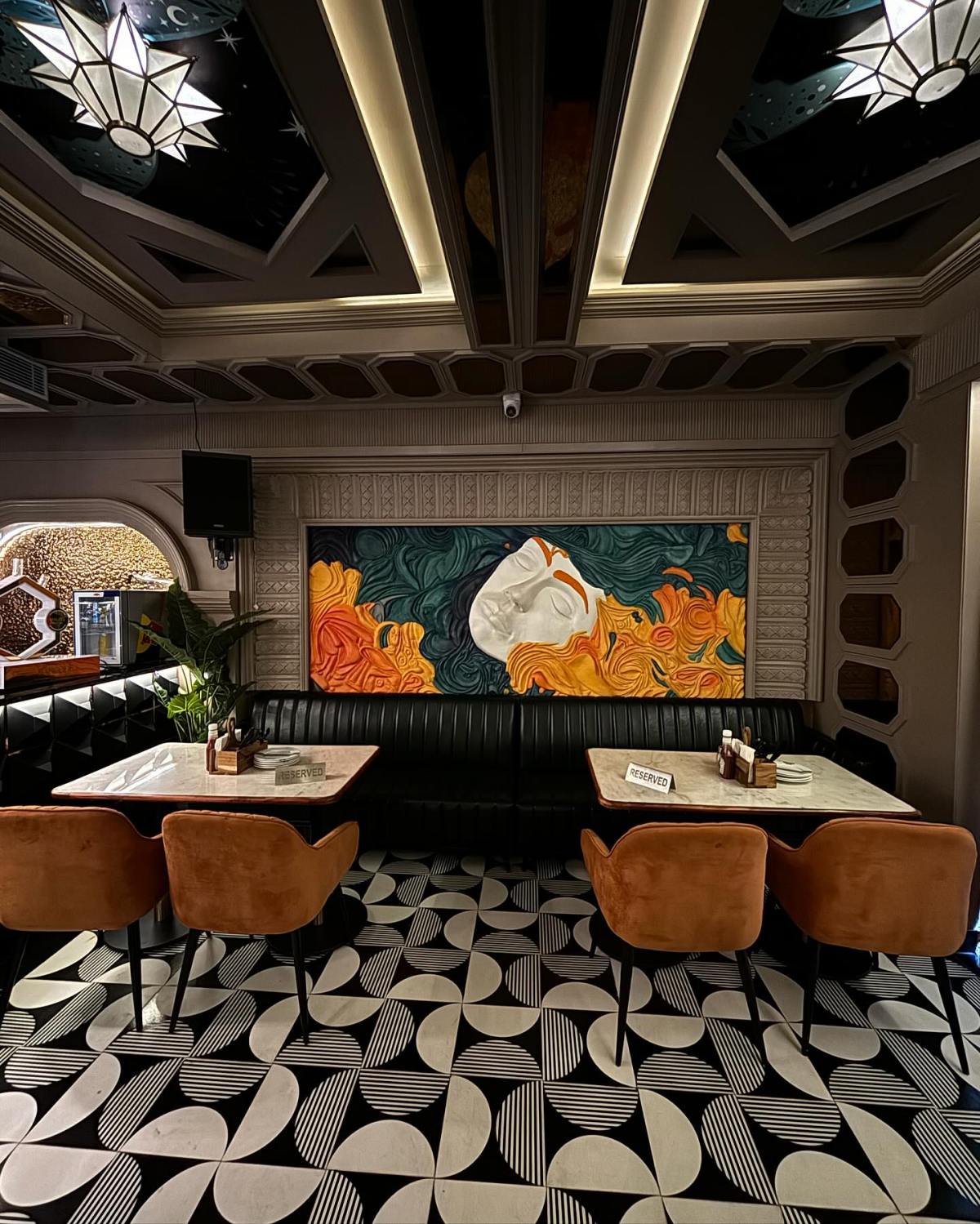
Furniture for Cafes and Restaurants | Stylish & Durable Hospitality Furniture
Selecting the right furniture for cafes and restaurants is one of the most important decisions in the hospitality industry, as it directly affects customer comfort, ambiance, branding, and overall business revenue. Furniture is not just about filling a space; it plays a major role in creating memorable dining experiences and influencing how long customers stay […]
Selecting the right furniture for cafes and restaurants is one of the most important decisions in the hospitality industry, as it directly affects customer comfort, ambiance, branding, and overall business revenue. Furniture is not just about filling a space; it plays a major role in creating memorable dining experiences and influencing how long customers stay and return. However, many people fail to understand that cafes and restaurants require completely different furniture styles and layouts.
Cafe furniture is usually compact, stylish, and designed for casual seating, quick service, and relaxed social gatherings. In contrast, restaurant furniture focuses more on comfort, durability, organized seating arrangements, and long dining experiences. Because of these differences, cafe and restaurant furniture cannot always be effectively used in each other's spaces.
Factors like layout planning, seating style, furniture materials, durability, and interior themes significantly influence furniture selection. Choosing the wrong furniture may reduce comfort, limit movement, and negatively impact customer experience.
This blog explains how to select the perfect furniture for cafes and restaurants while understanding their differences, furniture types, and design needs. It also highlights customized hospitality furniture solutions crafted in Jodhpur for modern commercial spaces.
Hospitality furniture is specially designed commercial furniture used in cafes, restaurants, hotels, and other dining spaces to enhance customer comfort and the overall ambiance. Unlike residential furniture, commercial cafe and restaurant furniture is built for heavy daily usage, frequent movement, and long-term durability. It is designed to handle high customer traffic while maintaining style, comfort, and functionality.
Selecting the right furniture for cafes and restaurants requires careful planning because furniture directly impacts customer experience and business performance. Comfort is essential to ensure customers enjoy their dining experience, while durability helps furniture withstand continuous commercial use. Space optimization is equally important, especially in compact cafes and busy restaurants, where proper seating arrangements improve movement and seating capacity.
Design aesthetics also play a major role in building brand identity and creating attractive interiors. Additionally, easy maintenance and cleaning are essential for hygiene and to reduce long-term costs. The right hospitality furniture creates a welcoming atmosphere that encourages customers to stay longer and return.
UNDERSTANDING YOUR SPACE AND LAYOUT
Proper cafe and restaurant design is essential for creating a comfortable, functional, and visually attractive dining space. A well-planned layout improves customer experience, increases seating capacity, and helps staff move efficiently during busy hours. Effective restaurant layout planning ensures smooth customer flow without making the space look overcrowded or uncomfortable.
Different seating arrangements work for different hospitality spaces. Open seating layouts create a spacious and social atmosphere, making them ideal for cafes and modern dining spaces. Compact seating arrangements are more suitable for smaller restaurants where space optimization is important. Indoor and outdoor layout planning should also be balanced carefully to maintain comfort and visual consistency.
Furniture spacing plays a major role in smooth movement and customer convenience. Tables and chairs should be arranged with enough walking space while maintaining privacy and comfort. Proper lighting and furniture coordination further enhance ambiance, highlight interior aesthetics, and strengthen the overall cafe and restaurant design experience for customers.
Difference Between Cafe and Restaurant Furniture
Understanding the differences between cafe and restaurant furniture is important before investing in hospitality interiors, as both spaces are designed for very different customer experiences. Furniture selection depends on dining style, seating duration, space planning, and customer behavior.
Cafe Furniture
Cafe furniture is usually casual, compact, and trend-focused. Cafes are designed for quick dining, coffee breaks, casual meetings, and relaxed social gatherings. This is why cafe interiors commonly include lightweight seating, cafe stools, coffee tables, and compact cafe table chair sets. Modern cafes also focus heavily on stylish and Instagram-friendly furniture designs that create a cozy atmosphere while maximizing space utilization.
Restaurant Furniture
Restaurant furniture is more formal, spacious, and comfort-oriented because customers generally spend longer hours dining. Restaurants require heavy-duty dining tables, upholstered chairs, restaurant sofas, and organized seating layouts that provide maximum comfort and durability. Restaurant furniture is designed to withstand high customer traffic and long-term commercial use.
Difference Between Cafe and Restaurant
The major difference between cafe and restaurant spaces lies in customer expectations and dining behavior. Cafe customers usually prefer quick and flexible seating, while restaurant customers expect comfortable seating and a complete dining experience.
A resto cafe is a hybrid hospitality concept that combines the casual atmosphere of a cafe with the dining experience of a restaurant. These spaces require balanced furniture designs that offer both comfort and modern aesthetics.
How Customer Behavior Influences Furniture Choice
Customer behavior directly affects furniture selection. Fast-moving cafes require compact, flexible furniture arrangements, whereas restaurants need spacious, durable seating solutions that encourage customers to dine comfortably for longer periods.
Furniture for Cafes
Cafe furniture plays an important role in creating a comfortable, stylish, and welcoming atmosphere for customers. Unlike restaurant furniture, cafe furniture is usually compact, lightweight, and designed for casual dining and social interaction. Proper furniture selection improves customer comfort, space utilization, and overall cafe aesthetics.
Cafe Tables
Cafe tables are one of the most important elements of cafe interiors because they directly influence seating comfort, customer flow, and space planning.
Cafe Reception Table
The reception counter is the first thing customers notice when entering a cafe. A well-designed cafe reception table helps create a professional and attractive first impression while improving billing and customer management. Compact reception desks work best for small cafes, whereas luxury reception counters are suitable for premium cafe interiors. Wood, marble, and engineered wood are commonly used for reception counters due to their durability and visual appeal.
Cafe Tables
Choosing the right cafe tables depends on available space, seating capacity, and the cafe's overall theme.
Cafe Table Shapes
Different table shapes offer different advantages in cafe layouts. Round cafe tables create a social and compact seating environment, while square tables are ideal for flexible seating arrangements. Rectangular tables work well for larger groups and in spacious cafes, whereas oval tables add a modern, elegant appearance. Small cafes generally benefit from round and square tables because they efficiently save space.
Cafe Table Materials
Cafe table materials affect durability, maintenance, and interior aesthetics. Wooden cafe tables create a warm, natural atmosphere, while marble cafe tables offer a premium, luxurious appearance. Metal cafe tables are highly durable and suitable for industrial-style cafes. Engineered wood and compact laminate tables are budget-friendly options that provide good durability and easy maintenance.
Cafe Table Chairs Set
Cafe table chair sets help create organized and comfortable seating arrangements.
Two Seater Set
Two-seater cafe table sets are ideal for compact cafes, coffee corners, and couples' seating areas because they maximize seating without overcrowding the space.
Four Seater Set
Four-seater sets are suitable for families and small group gatherings, offering balanced comfort and efficient space utilization.
Six Seater Set
Six-seater cafe table sets are commonly used in lounge-style cafes and community seating spaces where larger groups gather.
Cafe Coffee Table
Coffee tables are commonly used in lounge areas and waiting areas to create a relaxed atmosphere. Low-height modern coffee tables paired with comfortable seating improve the overall cafe ambiance and customer experience.
Cafe Outdoor Tables
Outdoor cafe tables should be durable and weather-resistant to handle sunlight, moisture, and changing weather conditions. Foldable outdoor cafe tables are highly practical for flexible seating arrangements and patio cafe setups.
Cafe Chairs
Cafe chairs are essential for customer comfort and interior styling. The right seating design encourages customers to spend more time in the cafe.
Cafe Seating Chairs
Ergonomic seating is important for maintaining customer comfort during long conversations or working sessions. Upholstered cafe chairs provide additional comfort and a premium feel, while non-upholstered chairs are easier to maintain and suitable for high-traffic cafes.
Cafe Outdoor Chairs
Cafe outdoor chairs should be waterproof, UV-resistant, and easy to maintain. Materials like powder-coated metal, synthetic rope, and treated wood are commonly used for outdoor seating.
Types of Cafe Chairs
Different chair styles help define the cafe's overall theme and ambiance. Wooden cafe chairs create a warm and rustic appearance, while metal chairs suit industrial and modern interiors. Rope and cane chairs offer a natural, artistic look, while upholstered chairs enhance comfort and elegance. Industrial-style cafe chairs are popular in contemporary cafe interiors for their minimalist, trendy look.
Cafe Stools
Cafe stools are widely used in coffee bars, high counters, and modern cafe interiors because they save space while adding a stylish appearance.
Cafe Wooden Stool
Wooden cafe stools offer a warm, natural aesthetic and are suitable for rustic, vintage, and modern cafes.
Cafe Metal Stool
Metal cafe stools are highly durable and commonly used in industrial-style and high-traffic cafes.
Cafe Outdoor Stool
Outdoor cafe stools are designed with weather-resistant materials that withstand moisture and sunlight.
Counter-height stools are suitable for cafe counters, while bar-height stools work best for elevated seating arrangements. Backrest stools offer greater comfort for longer seating durations, whereas backless stools help save space and improve mobility.
Cafe Upholstery
Cafe upholstery significantly influences seating comfort and interior aesthetics. Choosing the right upholstery fabric helps improve durability, maintenance, and overall ambiance. Leatherette upholstery is easy to clean and maintain, while fabric upholstery offers a softer and more comfortable feel. Easy-clean and stain-resistant upholstery materials are highly recommended for commercial cafe spaces. Proper color coordination between upholstery and cafe themes helps create visually appealing interiors.
Cafe Outdoor Furniture
Cafe outdoor furniture is designed to create comfortable and attractive open-air dining spaces. Outdoor seating arrangements should focus on customer comfort, durability, and weather resistance. Materials such as treated wood, powder-coated metal, synthetic wicker, and rope are commonly used for outdoor furniture because they perform well in various weather conditions. Garden cafe furniture setups and balcony cafe seating arrangements are becoming increasingly popular in modern hospitality design because they create relaxing, visually appealing dining experiences.
Furniture for Restaurants
Restaurant furniture is designed to provide comfort, durability, and an organized dining experience for customers. Unlike cafe furniture, restaurant furniture is designed for longer dining hours, spacious seating, and heavy commercial use. Proper furniture selection helps improve customer satisfaction, ambiance, and operational efficiency.
Restaurant Tables
Restaurant tables are the centerpiece of dining spaces and directly affect seating comfort and table management.
Restaurant Cash Counter Table
Restaurant cash counter tables are important for billing, customer assistance, and reception management. Modern reception and billing counters are designed to improve workflow while creating a professional first impression. Space-saving counter designs are ideal for compact restaurants because they maximize movement space without affecting functionality.
Restaurant Table Shapes
Different restaurant table shapes are selected based on seating arrangements and interior layouts. Round restaurant tables create a comfortable social dining atmosphere, while square tables offer flexible seating. Rectangular restaurant tables are commonly used for family dining and large groups because they efficiently utilize space. Oval restaurant tables offer a modern and elegant appearance suitable for premium dining spaces.
Restaurant Table Materials
Restaurant table materials influence durability, maintenance, and interior aesthetics. Wooden restaurant tables create a warm and timeless appearance, while marble-top restaurant tables add luxury and sophistication. Metal restaurant tables are highly durable and suitable for modern or industrial interiors. Granite and laminate table options are also popular because of their easy maintenance and long-lasting performance.
Restaurant Outdoor Tables
Restaurant outdoor tables are specially designed for patio dining and terrace restaurant setups. Weather-resistant materials like treated wood, powder-coated metal, and compact laminates help outdoor furniture withstand sunlight, moisture, and changing weather conditions.
Restaurant Chairs
Restaurant chairs are essential for customer comfort and the dining experience. Comfortable seating encourages customers to linger and improves overall satisfaction.
Restaurant Chair Types
Different restaurant chair styles suit different hospitality themes and dining formats. Wooden restaurant chairs offer a classic, elegant appearance, while metal restaurant chairs provide durability and a modern aesthetic. Upholstered restaurant chairs are highly preferred in fine-dining restaurants because they offer superior comfort and a premium feel. Cane and rope chairs create natural and artistic interiors suitable for casual and outdoor dining spaces.
Fine dining seating generally focuses on comfort and luxury, while casual dining seating balances durability with style. Fast-food seating solutions are designed for quick-service environments where compact layouts and easy maintenance are essential.
Restaurant Sofas
Restaurant sofas enhance seating comfort and create a luxurious dining atmosphere. They are commonly used in fine dining restaurants, lounges, and family dining spaces.
Restaurant Single Seater Sofa
Single-seater restaurant sofas are suitable for private and compact seating arrangements, adding comfort and elegance.
Restaurant Two Seater Sofa
Two-seater restaurant sofas are commonly used for couples and small dining spaces because they provide balanced comfort and efficient space utilization.
Restaurant Three Seater Sofa
Three-seater restaurant sofas are ideal for family dining and lounge-style restaurant interiors.
Restaurant Sofa Shapes
Different sofa shapes influence restaurant layout and ambiance. L-shaped restaurant sofas efficiently maximize corner space, while curved restaurant sofas create a modern, luxurious appearance. Booth seating sofas are highly popular because they offer privacy, comfort, and a sense of organization.
Space-saving sofa arrangements help restaurants increase seating capacity without overcrowding interiors. Upholstery recommendations for restaurant sofas include leatherette, velvet, and stain-resistant fabrics for durability and easy maintenance.
Restaurant Outdoor Furniture
Outdoor restaurant furniture helps create comfortable, visually appealing open-air dining spaces. Proper outdoor furniture selection improves the customer experience and enhances the restaurant's ambiance.
Restaurant Patio Furniture
Restaurant patio furniture is designed for outdoor dining comfort while maintaining durability against weather exposure. Materials like powder-coated metal, treated wood, synthetic wicker, and rope are commonly used for patio furniture because they are weather-resistant and easy to maintain.
Restaurant Outdoor Tables and Chairs
Outdoor restaurant tables and chairs should be durable, waterproof, and comfortable for long-term use. Rooftop restaurant furniture is becoming increasingly popular because it creates relaxing dining environments with attractive views of the city or the garden. Waterproof furniture materials and proper lighting arrangements help enhance the outdoor dining ambiance and customer experience.
Restro Cafe Meaning
A resto cafe is a modern hospitality concept that combines the relaxed atmosphere of a cafe with the complete dining experience of a restaurant. The term "resto cafe" is a combination of the words restaurant and cafe. These spaces are designed to offer customers both casual coffee experiences and full-course dining under one roof, making them highly popular among younger audiences and urban customers.
The main difference between a restaurant, a cafe, and a resto cafe lies in their dining styles and customer expectations. Cafes primarily focus on beverages, snacks, casual seating, and quick social gatherings, while restaurants offer structured dining experiences with larger menus and comfortable seating. A resto cafe blends both concepts by offering stylish cafe-like interiors along with restaurant-style dining comfort and menu options.
Hybrid dining concepts like resto cafes are growing rapidly in India because customers now prefer versatile spaces for meetings, work sessions, casual hangouts, and dining experiences. Modern lifestyles and social media trends have also increased the demand for aesthetically designed hospitality spaces.
Furniture styles suitable for restaurant-cafes usually combine compact cafe seating with comfortable restaurant seating. Popular choices include upholstered chairs, wooden tables, cafe stools, lounge sofas, booth seating, and modern outdoor furniture that balance comfort, style, and functionality.
Establishing Your Cafe Or Restaurant Theme
Creating the right theme is important for building a strong brand identity and memorable dining experience. Your cafe or restaurant theme influences furniture selection, interior décor, lighting, color combinations, and overall customer perception.
Modern Industrial Theme
Modern industrial themes focus on raw finishes, metal furniture, exposed brick walls, and minimalist interiors. Metal chairs, wooden tables, and industrial-style lighting are commonly used in these spaces.
Rustic Wooden Theme
Rustic themes create a warm, natural atmosphere with solid wood furniture, earthy tones, and handcrafted décor. Wooden cafe tables and chairs are ideal for this setup.
Luxury Fine Dining Theme
Luxury fine-dining interiors use premium materials such as marble tables, upholstered chairs, elegant lighting, and sophisticated furniture designs to create a rich, comfortable ambiance.
Minimalist Cafe Theme
Minimalist cafes focus on clean layouts, neutral colors, and simple furniture arrangements to create a modern, clutter-free environment.
Vintage Cafe Theme
Vintage themes include retro furniture styles, classic décor pieces, and artistic lighting, creating a nostalgic and stylish atmosphere.
Outdoor Garden Theme
Outdoor garden themes use weather-resistant furniture, greenery, and open seating arrangements to create relaxing outdoor dining experiences.
Matching Furniture With Brand Identity
Furniture should align with the overall business concept and brand personality, as it directly affects customer perception and ambiance.
Color Psychology in Hospitality Furniture
Colors influence customer mood and dining behavior. Warm colors create energetic environments, while neutral and earthy tones create calm and comfortable dining spaces.
Prioritize Comfort and Functionality
Comfort and functionality are two of the most important factors when selecting furniture for cafes and restaurants. Customers spend significant time sitting, dining, socializing, or working, making comfortable seating essential to creating a positive dining experience. Ergonomic furniture is designed to provide proper support, improve posture, and reduce discomfort during extended periods of sitting. Comfortable chairs and sofas encourage customers to stay longer, thereby improving overall customer satisfaction.
Seating comfort becomes even more important in restaurants where guests spend extended periods dining with family or friends. Upholstered chairs, well-designed backrests, and spacious seating arrangements help create a relaxed, premium dining atmosphere.
Functional furniture layouts also play a major role in improving movement and space efficiency. Properly arranged tables and chairs allow smooth customer flow and comfortable staff movement during busy hours. Foldable and stackable furniture options are highly useful for cafes and restaurants because they offer flexibility, easy storage, and quick space management during events, peak hours, or outdoor seating.
Material Selection For Durability
Selecting the right furniture material is essential for ensuring long-term durability in cafes and restaurants. Hospitality furniture is subject to heavy daily use, frequent movement, moisture exposure, and continuous cleaning, making material quality extremely important.
Solid Wood Furniture
Solid wood furniture is highly preferred for its strength, durability, and timeless appearance. It creates a warm, premium ambiance while delivering excellent long-term performance in commercial spaces.
Metal Furniture
Metal furniture is known for its heavy commercial usage, durability, and modern appearance. Powder-coated metal tables and chairs are highly resistant to scratches, moisture, and regular wear, making them ideal for busy cafes and restaurants.
Cane and Rope Furniture
Cane-and-ropes furniture adds a natural, stylish touch to hospitality interiors. These materials are lightweight, visually appealing, and suitable for both indoor and outdoor seating arrangements.
Marble and Stone Tops
Marble and stone-top tables offer a luxurious appearance and high durability. They are resistant to heat, stains, and regular commercial usage.
Engineered Wood Furniture
Engineered wood furniture is a budget-friendly option that offers good durability and versatile design possibilities for modern hospitality spaces.
Moisture resistance, termite resistance, and the ability to withstand heavy commercial use are important factors to consider when selecting materials for cafe and restaurant furniture.
Budget-Friendly vs Premium Furniture Options
Choosing between budget-friendly and premium furniture depends on the business concept, customer expectations, and long-term investment goals. Both options offer different advantages for cafes and restaurants.
Budget Furniture
Budget furniture is ideal for startups, small cafes, and businesses with limited investment capacity. These furniture options usually use economical materials and basic designs that help reduce initial setup costs. Ready-made furniture is also easily available and suitable for quick project completion. However, budget furniture may require more maintenance and replacements over time because it is generally designed for short-term usage.
Premium Furniture
Premium hospitality furniture focuses on luxury finishes, customized designs, and long-term durability. These furniture pieces are crafted from high-quality materials that offer greater comfort, strength, and visual appeal. Bespoke craftsmanship also helps businesses create unique interiors that strengthen brand identity and customer experience.
ROI of Premium Hospitality Furniture
Premium furniture offers better long-term value because durable materials reduce replacement and maintenance costs. Comfortable, aesthetically pleasing furniture also improves customer satisfaction, repeat visits, and the overall business reputation.
Wholesale Furniture Benefits
Wholesale furniture solutions help cafes and restaurants reduce overall furnishing costs while maintaining design consistency across commercial spaces. Bulk purchasing also offers greater customization opportunities and greater cost efficiency.
Custom Vs. Ready-Made Furniture
Choosing between custom and ready-made furniture is an important decision for cafes and restaurants because it affects design flexibility, budget, and overall customer experience. Both options offer different advantages depending on the business concept and project requirements.
Custom Furniture Benefits
Custom furniture enables cafes and restaurants to create unique interiors that perfectly match their brand identity and theme. Customized furniture is designed to fit available space, ensuring optimal fit and better layout planning. It also offers flexibility in selecting materials, colors, upholstery, and finishes based on the business style and customer expectations. Custom furniture is highly suitable for premium cafes, fine-dining restaurants, and resto-cafes that want a distinctive appearance.
Ready-Made Furniture Benefits
Ready-made furniture is ideal for businesses that need quick setup and faster project completion. These furniture options are more affordable and readily available in a range of styles and sizes. Lower costs and immediate availability make ready-made furniture suitable for startups and budget-friendly hospitality projects.
Which Option Suits Cafes and Restaurants Better
Custom furniture is better for businesses focused on branding, unique interiors, and long-term value, while ready-made furniture is well-suited for quick, economical, and functional setups.
Maintenance and Cleaning Considerations
Proper maintenance and cleaning are essential for preserving the appearance, hygiene, and durability of cafe and restaurant furniture. Since hospitality furniture undergoes heavy daily use, selecting materials that are easy to clean and maintain helps reduce long-term maintenance costs and improve operational efficiency.
Easy-Clean Surfaces
Furniture with smooth, easy-to-clean surfaces is highly recommended for cafes and restaurants because it allows quick cleaning after customer use. Materials like laminate, metal, and treated wood are commonly preferred for their low-maintenance properties.
Waterproof Upholstery
Waterproof and stain-resistant upholstery helps protect chairs and sofas from spills, moisture, and food stains. Leatherette and treated fabric upholstery are widely used in hospitality spaces because they are durable and easier to maintain.
Scratch-Resistant Finishes
Scratch-resistant furniture finishes help maintain the appearance of tables and chairs even under frequent commercial use. Protective coatings improve durability and reduce visible wear and tear.
Outdoor Furniture Maintenance Tips
Outdoor furniture should be regularly cleaned and protected from excessive sunlight and moisture. Using weather-resistant materials and protective covers helps increase furniture lifespan.
Daily Cleaning Recommendations for Restaurants and Cafes
Daily dusting, surface sanitization, upholstery cleaning, and proper spill management are important for maintaining hygiene, customer comfort, and long-term furniture durability.
Enhancing Ambiance Through Furniture Arranging
Chennai, Jalpaan restaurant furniture project by kernig krafts
Proper furniture arrangement plays a major role in improving the ambiance, comfort, and visual appeal of cafes and restaurants. A well-organized layout creates a welcoming environment, improves customer movement, and enhances the overall dining experience.
Table Placement Strategies
Strategic table placement helps maximize seating capacity while maintaining comfortable walking space for customers and staff. Small tables near windows create cozy seating areas, while larger tables are ideal for family and group dining sections.
Creating Instagram-Worthy Cafe Corners
Modern cafes often design visually attractive corners to encourage social media engagement. Stylish furniture, decorative lighting, textured walls, and comfortable seating help create Instagram-worthy spaces that attract customers and strengthen brand visibility.
Space Optimization Tips
Proper furniture arrangement helps utilize available space efficiently without making interiors feel overcrowded. Compact seating, foldable furniture, and organized layouts improve functionality, especially in small cafes and restaurants.
Lighting and Furniture Coordination
Lighting and furniture should complement each other to create the desired atmosphere. Warm lighting paired with wooden furniture creates a cozy ambiance, while modern lighting enhances minimalist and industrial interiors.
Indoor-Outdoor Visual Balance
Maintaining visual consistency between indoor and outdoor seating areas creates a seamless and aesthetically pleasing dining environment for customers.
Which Is Better: Restaurant or Cafe Venture?
Choosing between a restaurant or cafe venture depends on investment capacity, target audience, available space, and business goals. Both business models offer different opportunities and operational requirements.
Investment Comparison
Restaurants generally require a higher investment because they require larger kitchen setups, spacious seating, premium interiors, and extensive staff management. Cafes usually require comparatively lower investment due to compact layouts, smaller menus, and simpler operational requirements.
Space Requirements
Restaurants often need larger commercial spaces to accommodate dining areas, kitchens, and customer movement. Cafes can operate efficiently in smaller spaces with compact seating arrangements and flexible layouts.
Furniture Cost Comparison
Restaurant furniture costs are usually higher because restaurants require heavy-duty dining tables, upholstered chairs, sofas, and durable seating solutions for long dining hours. Cafe furniture is generally more compact, lightweight, and cost-effective, including cafe stools, coffee tables, and casual seating arrangements.
Customer Behavior Differences
The difference between restaurant and cafe customer behavior is significant. Restaurant customers expect complete dining experiences and comfortable seating for longer durations, while cafe customers prefer casual environments, quick service, and social interactions.
Profitability Factors
Restaurants may generate higher average billing values, while cafes often benefit from faster customer turnover and lower operational costs. Cafes are suitable for moderate budgets and modern urban markets, whereas restaurants are ideal for businesses targeting full-service dining experiences and larger customer groups.
Upgrade Your Cafe Or Restaurant With Premium Hospitality Furniture
Looking to create a stylish, comfortable, and memorable dining space for your customers? Kernig Kraft's Jodhpur offers customized hospitality furniture solutions crafted specially for cafes, restaurants, restocafes, hotels, and commercial dining spaces. From premium restaurant tables and chairs to modern cafe stools, outdoor furniture, sofas, and reception counters, every furniture piece is designed with a perfect balance of durability, comfort, and aesthetics.
With expert Jodhpur craftsmanship, high-quality materials, and customized design options, Kernig Kraft helps businesses create unique hospitality interiors that reflect their brand identity and enhance customer experience. Whether you need compact cafe seating, luxury restaurant furniture, or bulk wholesale hospitality furniture solutions, Kernig Kraft delivers furniture built for long-term commercial performance.
Transform your cafe or restaurant with elegant, durable furniture solutions from Kernig Kraft's Jodhpur and create a dining ambiance your customers will always remember.
Connect With Kernig Kraft's Jodhpur!
Kernig Kraft's Jodhpur is a trusted hospitality furniture manufacturer specializing in premium furniture for cafes, restaurants, hotels, and commercial dining spaces. With years of expertise in handcrafted furniture production, Kernig Kraft combines modern hospitality trends with traditional Jodhpur craftsmanship to create durable, stylish, and functional furniture solutions.
The company offers customized cafe and restaurant furniture designed according to space requirements, interior themes, and business concepts. From cafe tables, chairs, and stools to restaurant dining tables, sofas, outdoor furniture, and reception counters, every piece of furniture is crafted with attention to comfort, durability, and aesthetics.
Known for high-quality woodwork and skilled craftsmanship, Jodhpur furniture manufacturing is recognized across India for its premium finishes and long-lasting durability. Kernig Kraft also provides bulk order and wholesale furniture solutions for hospitality projects, ensuring design consistency and cost-effective furnishing for commercial spaces.
With expertise in both indoor and outdoor hospitality furniture, Kernig Kraft delivers weather-resistant, stylish, and customized furniture solutions that enhance customer experience and elevate cafe and restaurant interiors.
Request Our Furniture Catalogue - Furniture for cafes and restaurants
FAQs About furniture for cafes and restaurants
What is the difference between a cafe and a restaurant?
A cafe usually offers light meals, coffee, snacks, and a casual atmosphere, while a restaurant focuses on full-course dining with a wider menu and formal seating arrangements.
How does cafe furniture differ from restaurant furniture?
Cafe furniture is generally compact, lightweight, and modern, whereas restaurant furniture is designed for durability, comfort, and longer dining experiences.
What should I consider in cafe and restaurant design?
Important factors include seating comfort, space planning, furniture durability, lighting, customer flow, and matching the furniture style with your brand theme.
Which furniture is best for cafes?
Cafe stools, cafe table chairs, compact dining sets, lounge seating, and stylish wooden or metal furniture are popular choices for modern cafes.
What are cafe stools used for?
Cafe stools are commonly used near coffee counters, bar-style seating areas, and compact cafe layouts to maximize seating space while maintaining a modern look.
What are the best cafe table chairs for small spaces?
Lightweight wooden chairs, stackable chairs, and compact round cafe tables are ideal for small cafes because they save space and improve customer movement.
What does “resto cafe” mean?
A resto cafe is a hybrid concept that combines the casual atmosphere of a cafe with the extensive food menu of a restaurant.
Why is furniture important in restaurants and cafes?
Furniture impacts customer comfort, dining experience, interior aesthetics, and overall brand impression, making it a key part of hospitality design.
Solid wood, engineered wood, metal frames, and marble-top tables are popular because they offer durability, easy maintenance, and stylish appeal.
Can cafe and restaurant furniture be customized?
Yes, hospitality furniture can be customized in terms of size, material, upholstery, color, and design to match specific interior themes and business requirements.