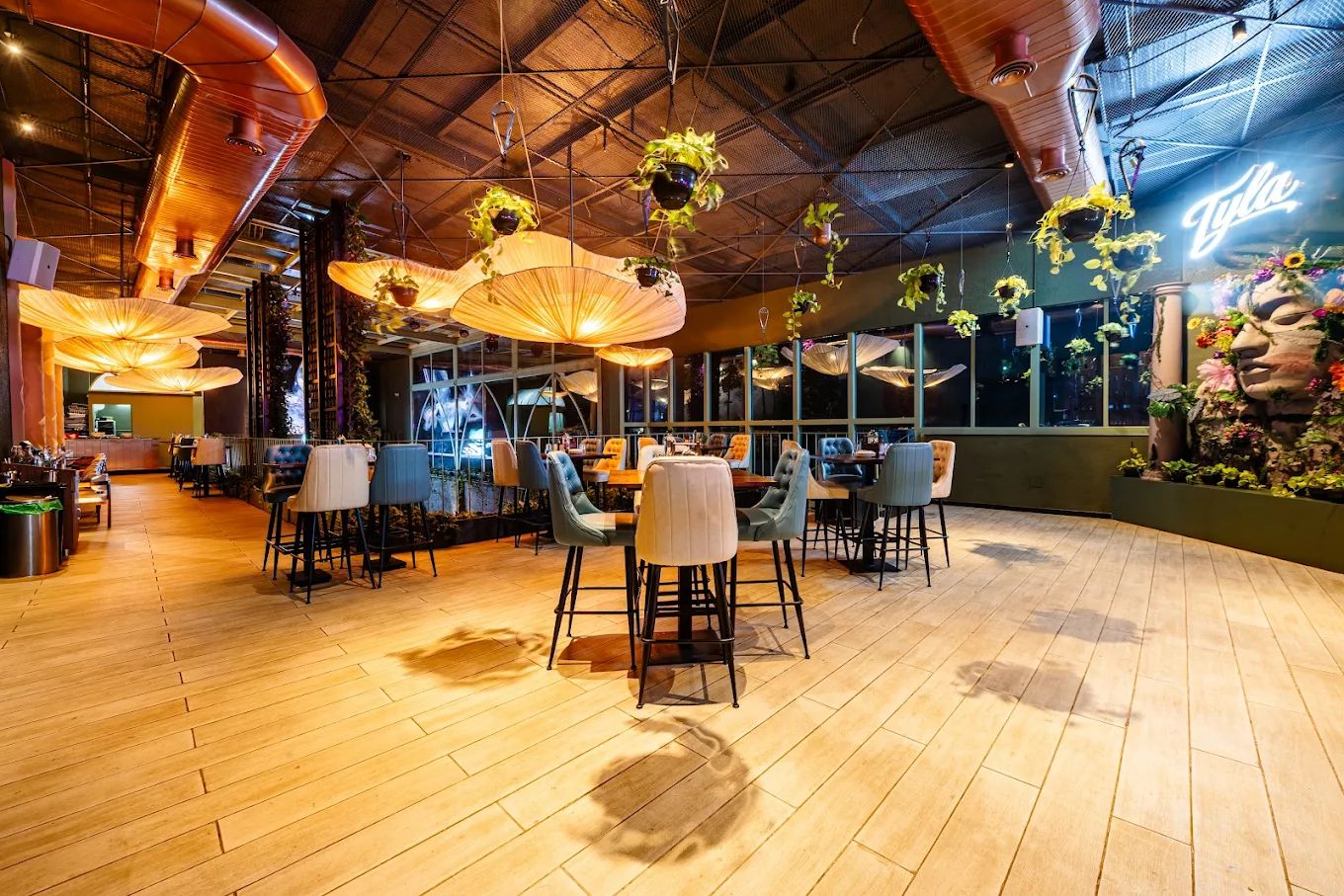

The café industry is more competitive than ever, where great coffee alone is no longer enough to attract and retain customers. From the ambiance to the seating experience, every detail influences how customers perceive your brand. One of the most important investments any café owner can make is selecting the right café furniture. While many focus on appearance, the ideal café furniture design should also deliver durability, comfort, functionality, and long-term value.
Poor-quality café coffee shop furniture often leads to frequent repairs, higher replacement costs, and an uncomfortable experience for customers. Wobbly tables, damaged chairs, or furniture that wears out quickly can negatively impact your café's reputation and increase operational expenses over time. Choosing the right furniture for a café shop is therefore not just about creating an attractive interior—it's about improving efficiency, customer satisfaction, and profitability.
In this guide, we'll explore the 7 most common problems café owners face when selecting café restaurant furniture, along with practical solutions to avoid costly mistakes. Whether you're opening a new café, renovating an existing space, or upgrading your current furniture, these insights will help you make informed decisions that enhance both your customer experience and your business's long-term success.

Every piece of café furniture experiences constant wear and tear throughout the day. Customers repeatedly pull out chairs, move tables, place hot cups on surfaces, and accidentally bump furniture during busy hours. If the furniture is manufactured with low-quality materials or poor construction techniques, it quickly shows signs of damage.
Common issues include loose joints, scratched tabletops, chipped edges, broken chair legs, and wobbly tables that make dining uncomfortable. Engineered wood with poor-quality laminates, lightweight frames, and inferior hardware often fail to withstand the demands of a commercial café environment. While these products may appear cost-effective initially, they usually wear out much faster than expected.
Furniture that deteriorates quickly creates several operational challenges for café owners. Frequent repairs and replacements increase maintenance expenses and disrupt daily operations. Damaged chairs or unstable tables also create safety risks for customers and staff, potentially leading to accidents or liability issues.
Beyond the financial impact, worn-out furniture leaves a poor impression on customers. An untidy dining area can make visitors question the café's cleanliness and quality standards, resulting in negative online reviews, reduced repeat visits, and damage to the brand's reputation.

Comfort plays a major role in how long customers stay at a café. Even if the food and beverages are excellent, poorly designed café coffee shop furniture can make the dining experience unpleasant. Common issues include hard seats, incorrect seat heights, inadequate back support, and poor ergonomics that cause discomfort after only a short time.
Many café owners prioritize style over functionality, selecting furniture that looks attractive but fails to provide proper comfort. Chairs that are too high or too low relative to the table force customers into awkward sitting positions, while the lack of lumbar support places unnecessary strain on the lower back. These design flaws become even more noticeable during longer visits, such as remote working sessions or casual meetings.
Uncomfortable seating directly affects customer behavior and business performance. When guests are unable to relax, they tend to finish their meals quickly and leave sooner than expected. Shorter visits often result in lower average spending, as customers are less likely to order additional beverages or desserts.
Poor seating comfort also reduces the likelihood of repeat visits and recommendations. Customers who associate a café with discomfort may choose competitors offering a more pleasant dining experience, ultimately affecting the brand's reputation and long-term revenue.
Choose café coffee shop furniture designed specifically for hospitality environments with comfort in mind. Ergonomic chair designs that support the natural curve of the spine help customers remain comfortable for extended periods. Proper seat dimensions—including a seat height of approximately 450 mm (18 inches) paired with a standard table height of 750 mm (30 inches)—create a balanced and comfortable dining posture.
Cushioned seating with high-density foam improves comfort without compromising durability, while supportive backrests provide essential lumbar support. Maintaining the correct table-to-chair height ratio ensures guests can dine, work, or socialize comfortably, encouraging longer stays, increased spending, and a more memorable café experience.

Your furniture is one of the first things customers notice when they enter your café. Inconsistent café furniture design can make the space feel disorganized and forgettable, even if the food and service are excellent.
Many café owners purchase tables and chairs from different suppliers over time, resulting in mismatched styles, conflicting colors, and inconsistent materials.
For example, combining industrial metal tables with rustic wooden chairs or mixing modern furniture with vintage décor can weaken the overall atmosphere.
This issue is even more common in small café furniture design, where limited space makes every furniture choice more visible. Without a clear design theme, the café loses its visual identity and struggles to create a memorable customer experience.
A poorly coordinated interior makes it difficult for customers to associate your café with a unique brand. Weak visual identity reduces brand recognition and customer recall, making it harder to stand out in a competitive market.
Today's customers frequently share photos of cafés on social media, especially on platforms like Instagram. If the interior lacks visual harmony, it becomes less photo-worthy, reducing organic exposure through user-generated content. Over time, inconsistent furniture choices can diminish the space's overall appeal and affect how customers perceive your café's quality.
Create a consistent café furniture design that reflects your brand's personality and target audience. Start by selecting a clear design style—whether modern, industrial, Scandinavian, rustic, minimalist, or contemporary—and apply it consistently throughout the space.
Choose complementary materials, such as solid wood, metal, cane, or upholstered seating, and maintain a cohesive color palette that aligns with your branding. For small café furniture design, use compact furniture, lighter finishes, and coordinated layouts to maximize both aesthetics and functionality.
Custom-branded furniture, including engraved tabletops, branded upholstery, or signature color accents, can further strengthen your identity. Working with an experienced interior designer or hospitality furniture manufacturer ensures every furniture element complements the overall concept, creating a cohesive environment that customers recognize, remember, and want to revisit.

Effective space planning is just as important as selecting the right furniture for a café shop. Many café owners invest in attractive furniture without considering how it fits within the available floor area. Oversized dining tables, bulky chairs, excessive circulation space, and poorly planned layouts often leave valuable square footage unused.
Dead corners, awkward furniture placement, and incorrect spacing between tables reduce the number of seats a café can accommodate.
These problems are especially common in the design of small café furniture, where every square meter must be utilized efficiently. Without a well-planned layout, the café may appear crowded in some areas while leaving other sections empty and underutilized.
Poor space planning directly affects a café's earning potential. Fewer tables mean fewer customers can be served during peak hours, limiting daily revenue. At the same time, cramped walkways make it difficult for customers and staff to move comfortably, slowing service and increasing the risk of accidental collisions or spills.
An inefficient layout also increases wait times, reduces customer comfort, and prevents staff from serving tables efficiently. Over time, these operational challenges can negatively impact customer satisfaction and overall business performance.
Start by designing the layout before purchasing furniture for the café shop. A professional space plan helps maximize seating capacity while maintaining comfortable circulation for customers and staff.
For small café furniture design, choose modular furniture that can be rearranged to suit different group sizes and business needs. Foldable or nesting tables provide flexibility during busy hours and special events, while built-in bench seating makes better use of wall space and accommodates more guests than individual chairs.
Custom furniture layouts tailored to your café's dimensions ensure that every corner is used effectively without making the space feel overcrowded. By combining smart space planning with the right furniture, café owners can improve workflow, increase seating capacity, enhance customer comfort, and maximize revenue from every square foot.

Keeping a café clean is essential for maintaining customer trust and meeting hygiene standards. However, not every piece of furniture for a café shop is designed for easy maintenance. Upholstered fabric chairs can absorb coffee spills and food stains, while porous wooden surfaces may trap grease, moisture, and dirt over time. Dust accumulation in textured finishes, deep grooves, and intricate designs also makes regular cleaning more difficult.
High-maintenance furniture requires more effort to keep looking presentable, especially in busy cafés where tables and chairs are used continuously throughout the day. Without durable, easy-to-clean materials, furniture quickly loses its appearance and shows signs of wear.
Furniture that is difficult to clean can make a café appear unhygienic, even when regular cleaning routines are followed. Stains, sticky surfaces, and worn finishes create a poor first impression and may discourage customers from returning.
In addition, staff spend more time cleaning stubborn stains and maintaining furniture, increasing labour costs and reducing operational efficiency. Over time, harsh cleaning chemicals and repeated scrubbing can also accelerate furniture ageing, leading to fading finishes, damaged upholstery, and more frequent replacements.
Choose furniture for a café shop that is specifically designed for commercial hospitality environments. Laminate tabletops are highly resistant to stains, scratches, and daily wear, making them easy to wipe clean after every use.
Polyurethane (PU) finishes provide a durable protective layer that resists moisture, grease, and cleaning chemicals while preserving the furniture's appearance.
For seating, opt for easy-clean upholstery such as PU leather or commercial-grade vinyl, which can be sanitized quickly without absorbing spills. Water-resistant materials help prevent swelling, warping, and moisture damage, extending the furniture's lifespan.
Selecting chairs with replaceable seat cushions is another practical solution, allowing worn or stained cushions to be replaced without purchasing entirely new furniture. These features reduce maintenance costs, improve hygiene, and keep your café looking clean and inviting every day.

Outdoor seating can significantly increase a café's capacity and enhance its customer experience, but only if the outdoor café furniture is built to withstand changing weather conditions. Furniture exposed to direct sunlight, rain, humidity, and temperature fluctuations often deteriorates much faster than indoor furniture.
Prolonged UV exposure can cause colors to fade, wooden surfaces to crack, and plastic components to become brittle.
Rain and moisture can cause swelling, warping, mold growth, or corrosion, while untreated metal frames are prone to rust. Using residential-grade furniture in outdoor spaces is one of the most common mistakes café owners make, leading to premature wear and tear and reduced durability.
Weather-damaged furniture increases replacement costs and creates ongoing maintenance challenges. Rusted frames, weakened joints, and warped tabletops compromise structural integrity, making seating unstable and potentially unsafe for customers.
Beyond safety concerns, faded finishes, peeling paint, and corroded surfaces negatively affect the café's appearance. An outdoor dining area with worn-out furniture can discourage customers from sitting outside and diminish your brand's overall impression.
Invest in outdoor café furniture specifically designed for commercial hospitality use. Powder-coated aluminium or galvanized steel frames provide excellent resistance to rust and corrosion while maintaining structural strength.
Premium hardwoods such as teak are naturally resistant to moisture, insects, and weathering, making them ideal for long-term outdoor use.
Synthetic wicker made from high-quality resin offers the classic woven look while resisting UV rays, rain, and cracking.
Furniture finished with marine-grade coatings provides additional protection against moisture, salt, and harsh environmental conditions. Finally, choose products with UV-resistant coatings to prevent fading, discoloration, and surface deterioration caused by prolonged sun exposure.
By selecting weather-resistant materials and commercial-grade finishes, café owners can create attractive outdoor seating areas that remain safe, durable, and visually appealing for years while minimizing maintenance and replacement costs.

Off-the-shelf café restaurant furniture may be convenient, but it rarely meets the unique requirements of a modern café.
Standard furniture is manufactured in fixed sizes, generic styles, and limited finish options, making it difficult to create a space that reflects your brand identity and fits your floor plan perfectly.
Many café owners struggle with furniture that is either too large or too small for their available space. In addition, ready-made products often lack branding opportunities, such as custom finishes, engraved logos, or signature colour schemes.
As a result, furniture for cafés and restaurants can look similar across different businesses, making it harder to create a distinctive customer experience.
Using generic furniture can make a café feel ordinary and less memorable. Without customized designs, the interior may fail to communicate the café's personality or reinforce its brand identity. Customers are less likely to remember or recommend a café that looks similar to countless others.
Standard dimensions can also lead to inefficient layouts, reducing seating capacity and limiting operational flexibility.
When furniture does not fit the available space or complement the overall interior design, the café misses an opportunity to create a unique atmosphere that encourages repeat visits and social media sharing.
The best solution is to invest in bespoke café restaurant furniture that is tailored to your business needs.
Custom manufacturing allows you to choose exact dimensions that maximize your available floor space while maintaining customer comfort and efficient staff movement.
With custom furniture for cafés and restaurants, you can select brand-specific colours, premium materials, unique finishes, and specialized features that align with your interior concept. Whether you prefer solid wood, metal, cane, upholstery, or mixed-material designs, customization ensures every furniture piece supports your brand identity.
Collaborating with experienced furniture manufacturers and interior designers also helps optimize layouts, improve functionality, and create a cohesive dining environment.
Although custom furniture requires a higher initial investment, it delivers long-term value through better durability, stronger brand recognition, improved customer experiences, and a café that stands out in a competitive market.

For café owners working with a limited budget, secondhand café furniture can seem like an attractive option. Used tables and chairs are often available at significantly lower prices than new commercial furniture, making them a practical choice for start-ups, pop-up cafés, or temporary setups. In some cases, well-maintained secondhand furniture can also offer unique vintage character that complements certain café themes.
However, the lower purchase price may come with hidden costs. Used furniture often requires repairs, refinishing, reupholstering, or replacement of damaged components before it is ready for daily commercial use. Loose joints, weakened frames, worn finishes, and structural damage may not be immediately visible but can lead to higher maintenance expenses over time.
Hygiene is another important consideration. Fabric upholstery can absorb spills, odours, and bacteria, while scratched or damaged surfaces are more difficult to sanitize effectively. If the furniture has been heavily used in restaurants or public spaces, restoring it to commercial hygiene standards may require additional investment.
From a durability perspective, new commercial furniture is generally designed to withstand continuous daily use with stronger construction, hospitality-grade materials, and protective finishes. It also comes with manufacturer warranties and greater customization options to match your café's branding and layout.
Buying secondhand café furniture makes sense when the pieces are structurally sound, sourced from a reputable seller, and require minimal refurbishment. It can also be a smart option for cafés seeking authentic vintage aesthetics without a large upfront investment.
However, if your goal is long-term durability, lower maintenance costs, consistent branding, and a better return on investment, purchasing new commercial café furniture is often the more economical choice. Although the initial cost is higher, quality hospitality furniture typically lasts longer, performs better under heavy use, and creates a more professional customer experience.

Selecting the right café furniture is about more than filling your dining space with tables and chairs. The right furniture should support your brand identity, maximize seating capacity, provide lasting comfort, and withstand years of commercial use. Before making a purchase, use the following checklist to ensure you're investing in furniture that delivers long-term value.
Start by accurately measuring your café's floor plan, including dining areas, walkways, entrances, service counters, and waiting spaces. A well-planned layout ensures comfortable customer movement while maximizing seating capacity without making the café feel overcrowded.
Your furniture should reflect your brand personality. Whether your café has a modern, industrial, Scandinavian, rustic, minimalist, or vintage concept, choose furniture that complements your interior design and creates a consistent customer experience.
Unlike residential furniture, commercial café furniture is designed to withstand continuous daily use. Look for solid wood or reinforced metal frames, strong joinery, high-quality hardware, and durable finishes that resist scratches, stains, and wear.
Daily spills, food stains, and constant cleaning are inevitable in cafés. Select laminate tabletops, PU-coated surfaces, water-resistant materials, and easy-clean upholstery to reduce maintenance time and extend the life of your furniture.
Comfortable seating encourages customers to stay longer and increases the likelihood of additional purchases. Choose ergonomic chairs with proper seat height, supportive backrests, and cushioned seating that pair well with standard-height café tables.
If your café includes outdoor seating, invest in weather-resistant furniture such as powder-coated metal, teak wood, or synthetic wicker. UV-resistant and moisture-resistant finishes help outdoor furniture maintain its appearance and durability throughout the year.
Think beyond your current seating needs. Modular tables, stackable chairs, and flexible furniture systems make it easier to accommodate larger groups, seasonal demand, or future renovations without replacing your entire furniture collection.
Partnering with an experienced hospitality furniture manufacturer gives you access to custom dimensions, premium materials, expert guidance, and furniture tailored to your café's operational requirements. A reliable manufacturer can also help optimize layouts, maintain design consistency, and deliver furniture built for long-term commercial performance.
By following this checklist, you can choose café furniture that enhances customer comfort, supports your brand image, improves operational efficiency, and provides an excellent return on investment for years to come.

The best café furniture combines durability, comfort, and aesthetics. Commercial-grade tables and chairs made from solid wood, powder-coated metal, or high-quality engineered materials are ideal because they withstand heavy daily use while maintaining their appearance. Choose ergonomic seating and easy-to-clean finishes for the best long-term performance.
High-quality commercial café furniture typically lasts 7 to 15 years or longer, depending on the materials, construction quality, maintenance, and daily usage. Furniture made with solid wood, reinforced metal frames, and commercial-grade finishes generally offers the longest lifespan.
High-quality commercial café furniture typically lasts 7 to 15 years or longer, depending on the materials, construction quality, maintenance, and daily usage. Furniture made with solid wood, reinforced metal frames, and commercial-grade finishes generally offers the longest lifespan.
Secondhand café furniture can be a cost-effective option for cafés with limited budgets or vintage-themed interiors. However, buyers should carefully inspect used furniture for structural damage, hygiene issues, and repair requirements. For businesses expecting heavy daily use, new commercial furniture usually provides better long-term value and lower maintenance costs.
Hardwoods such as Sheesham (Indian Rosewood), Oak, Teak, Ash, and Acacia are among the best choices for café furniture. These woods are strong, durable, resistant to everyday wear, and capable of handling the demands of busy commercial environments.
The standard height for a café dining table is 750 mm (30 inches). It is commonly paired with chairs that have a seat height of approximately 450 mm (18 inches), providing a comfortable seating position for most customers.
The best materials for outdoor café furniture include powder-coated aluminium, galvanized steel, teak wood, synthetic wicker, and high-pressure laminate. These materials resist moisture, UV rays, rust, and temperature changes, making them suitable for year-round outdoor use.
For a small café, select compact and multifunctional furniture that maximizes seating without overcrowding the space. Modular tables, bench seating, stackable chairs, and light-coloured finishes can improve flexibility while making the café feel more open and spacious
Yes. Many hospitality furniture manufacturers offer customized café furniture with tailored dimensions, materials, finishes, colours, upholstery, and branding elements. Custom furniture allows café owners to optimize space, strengthen brand identity, and create a unique customer experience.
Whether you're opening a new café, renovating an existing space, or expanding a growing coffee shop chain, investing in premium café furniture is one of the smartest decisions you can make.
The right furniture not only enhances customer comfort but also strengthens your brand identity, improves operational efficiency, and reduces long-term maintenance and replacement costs.
At Kernig Krafts, we specialize in manufacturing high-quality café, coffee shop, outdoor café, and restaurant furniture for commercial hospitality spaces.
Every piece is crafted from durable materials, features hospitality-grade construction, and offers customizable finishes to meet the demands of busy cafés and restaurants.
Whether you need space-saving furniture for a compact café, weather-resistant outdoor seating, or fully bespoke furniture that matches your brand identity, our experienced team can deliver solutions tailored to your requirements.
From concept and material selection to manufacturing and delivery, we work closely with you to create furniture that combines functionality, durability, and timeless design.
Contact Kernig Krafts today to discuss your project and discover customized furniture solutions that help your café stand out, improve customer experiences, and deliver lasting value for years to come.
