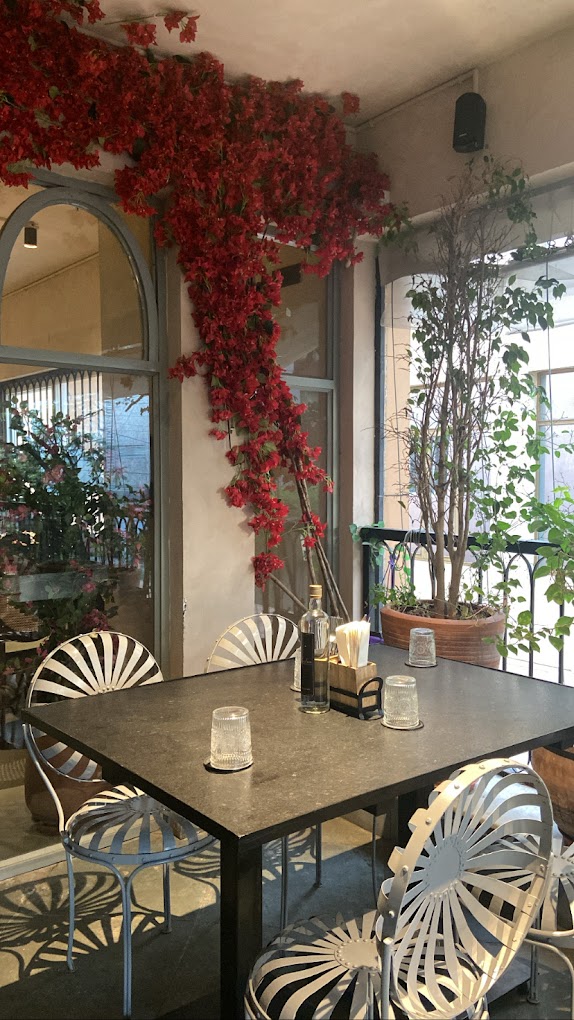
- Reclaimed and Recycled Materials:
- Opt for restaurant furniture crafted from reclaimed or recycled materials. This includes tables and chairs made from repurposed wood, metal, or plastic, reducing the demand for new resources.
- FSC-Certified Wood:
- Choose furniture made from wood certified by the Forest Stewardship Council (FSC). This certification ensures that the wood comes from responsibly managed forests, promoting sustainable practices.
- Upcycled Furniture:
- Consider upcycled furniture, which transforms discarded or unused items into new, stylish pieces. This creative approach minimizes waste and adds a unique touch to the restaurant's interior.
- Water-Based Finishes:
- Select furniture with water-based finishes instead of traditional solvent-based finishes. Water-based finishes are less harmful to the environment and contribute to healthier indoor air quality.
- Local and Sustainable Sourcing:
- Prioritize local and sustainably sourced materials. This not only supports the local economy but also reduces the environmental impact associated with transportation and long supply chains.
By incorporating these eco-friendly choices into restaurant furniture selection, owners can contribute to environmental conservation while maintaining a stylish and functional dining space.
FAQs: Eco-Friendly Furniture Choices for Restaurants
1. Why should restaurant owners consider eco-friendly furniture options?
Eco-friendly furniture helps reduce environmental impact, supports sustainability, and can improve a restaurant’s brand image. It also promotes better indoor air quality and supports local economies when sourced locally.
2. What are reclaimed and recycled materials, and why are they eco-friendly?
Reclaimed materials come from previously used items, like old wood or metal, repurposed into new furniture. Recycled materials are reprocessed waste materials. Both reduce the demand for virgin resources and minimize landfill waste.
3. What does it mean when wood furniture is FSC-certified?
FSC-certified wood is sourced from forests managed according to the Forest Stewardship Council’s rigorous environmental and social standards. It ensures the wood is harvested responsibly, supporting forest conservation and community rights.
4. What is upcycled furniture, and how does it differ from recycled furniture?
Upcycled furniture involves creatively reusing discarded items to make new furniture pieces without breaking them down into raw materials. It adds unique character and reduces waste without significant energy consumption, unlike recycling processes.
5. Are water-based finishes really better for the environment?
Yes. Water-based finishes emit fewer volatile organic compounds (VOCs) than solvent-based ones, improving indoor air quality and reducing health risks for staff and patrons.
6. How does local sourcing make furniture more sustainable?
Local sourcing cuts down on transportation emissions, supports regional businesses, and often ensures greater transparency in production practices.
7. Is eco-friendly furniture more expensive than conventional options?
It can be, but the long-term environmental and brand value often outweigh the initial cost. Some sustainable materials are also durable, reducing the need for frequent replacements.
8. How can I verify if the furniture I’m buying is truly eco-friendly?
Look for certifications such as FSC, GREENGUARD, or Cradle to Cradle. Also, ask manufacturers about sourcing, finishes, and production practices.
9. Can sustainable furniture still match the design and theme of my restaurant?
Absolutely. Eco-friendly furniture comes in a wide variety of styles, from rustic reclaimed wood to sleek modern upcycled designs. Many sustainable pieces are custom-made, offering flexibility to match any restaurant aesthetic without compromising on design.
10. What are some signs that a furniture brand is committed to sustainability?
Look for transparency in sourcing, use of eco-certifications, clear sustainability goals, recyclable or biodegradable packaging, and manufacturing processes that reduce waste and emissions. Brands that highlight environmental responsibility in their mission or product lines are often more trustworthy.
"Connect with Us – Explore Jodhpur Furniture!"
Like this:
Like Loading...