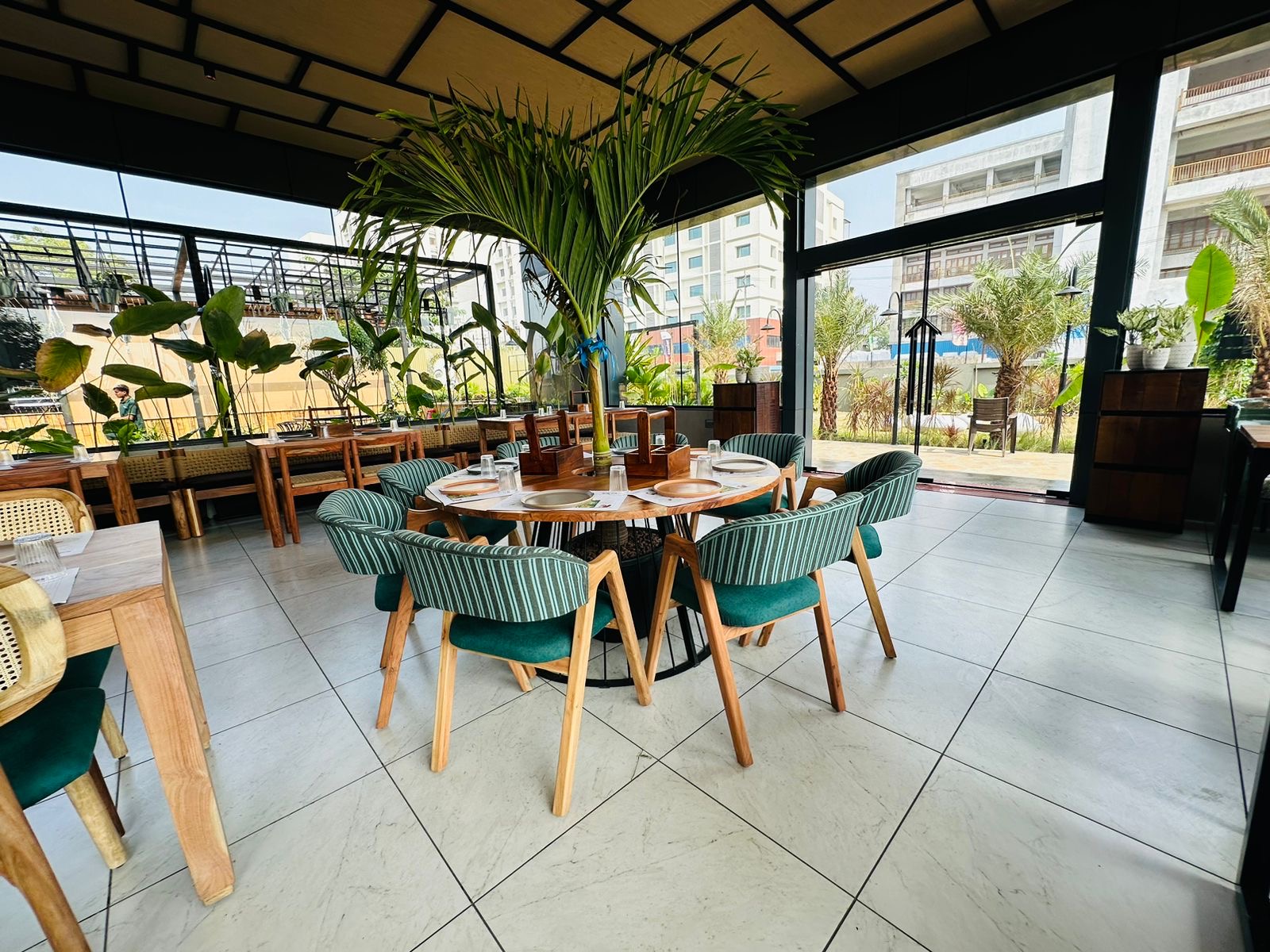
What makes teak wood suited for outdoor furniture, and how does its contribute to durability and resistance against the elements?
Embrace the charm of outdoor living with our cafe and bistro sets, perfect for intimate gatherings or a quiet moment with a cup of coffee. Accentuate your outdoor oasis with carefully curated accessories like cushions, throw pillows, and outdoor rugs, adding a touch of personality to your space.
Teak wood stands out as an exceptional and highly durable option for crafting outdoor furniture. Derived from the Tectona grandis tree, teak is renowned for its remarkable natural properties that make it well-suited for withstanding the challenges of outdoor exposure.
One of the key features that sets teak apart is its high oil content. These natural oils act as a built-in defense mechanism, rendering teak resistant to water, insects, and decay. This inherent resistance makes teak furniture particularly resilient in outdoor settings, where it is subjected to varying weather conditions.
Beyond its natural durability, teak possesses a remarkable ability to retain its structural integrity over time. As teak ages, it undergoes a beautiful transformation, developing a silvery-gray patina. This aging process is purely aesthetic and doesn't compromise the wood's durability. In fact, many appreciate the silvered appearance as it adds character to the furniture.
Teak's popularity in outdoor furniture is also attributed to its strength and stability. It has a dense grain and is less prone to warping or cracking, ensuring that the furniture remains sturdy and reliable even in fluctuating weather conditions.
Moreover, teak requires minimal maintenance. While some may choose to apply teak oil to preserve its original golden hue, many opt to let it age naturally, appreciating the low-maintenance aspect of this wood.
In summary, teak wood's extraordinary durability, resistance to the elements, and timeless aesthetic make it an excellent choice for outdoor furniture, ensuring that your investment withstands the test of time and enhances the beauty of your outdoor living spaces.
FAQs: Teak Wood Outdoor Furniture
1. Why is teak wood ideal for outdoor furniture?
Teak wood is naturally rich in oils that make it highly resistant to water, pests, and decay. These properties allow it to endure harsh outdoor conditions without deteriorating, making it an ideal material for outdoor furniture.
2. How does teak resist the elements?
The natural oils in teak act as a barrier against moisture, rot, and insects. Its dense grain also provides structural strength, making it resistant to warping, cracking, or splitting due to changing weather conditions.
3. Does teak require a lot of maintenance?
No, teak is relatively low-maintenance. While some choose to apply teak oil to retain its warm golden tone, many prefer to let it weather naturally into a silvery-gray patina, which doesn’t affect the wood’s durability.
4. What happens to teak as it ages?
Over time, teak develops a silvery-gray patina due to exposure to sunlight and air. This aging process is purely cosmetic and doesn’t compromise the wood’s strength or resilience.
5. Can teak furniture be left outside year-round?
Yes. Teak is designed to handle outdoor environments year-round. Its resistance to moisture and temperature changes means it can be left outside without being covered, although using covers can help reduce surface wear.
6. Is teak environmentally sustainable?
When sourced responsibly from certified plantations, teak can be a sustainable choice. Look for FSC-certified teak to ensure it comes from responsibly managed forests.
7. Do I need to treat teak with oils or sealants?
Treatment is optional. Applying teak oil helps maintain its original color, but it’s not necessary for protection. The wood's natural oils provide sufficient defense against weathering.
8. Will teak furniture stain or discolor?
Unfinished teak may develop some surface stains from food or drink spills, especially when new. These can usually be cleaned easily, and minor discoloration fades as the patina forms.
9. How long does teak outdoor furniture typically last?
Teak is one of the most durable woods available for outdoor use. With minimal maintenance, teak furniture can last 20 to 30 years or more, often becoming heirloom-quality pieces that age gracefully over time.
10. Is teak furniture worth the investment?
Absolutely. While teak may have a higher upfront cost than other woods, its exceptional durability, low maintenance, and timeless appearance make it a cost-effective investment in the long run, offering both beauty and performance for years to come.