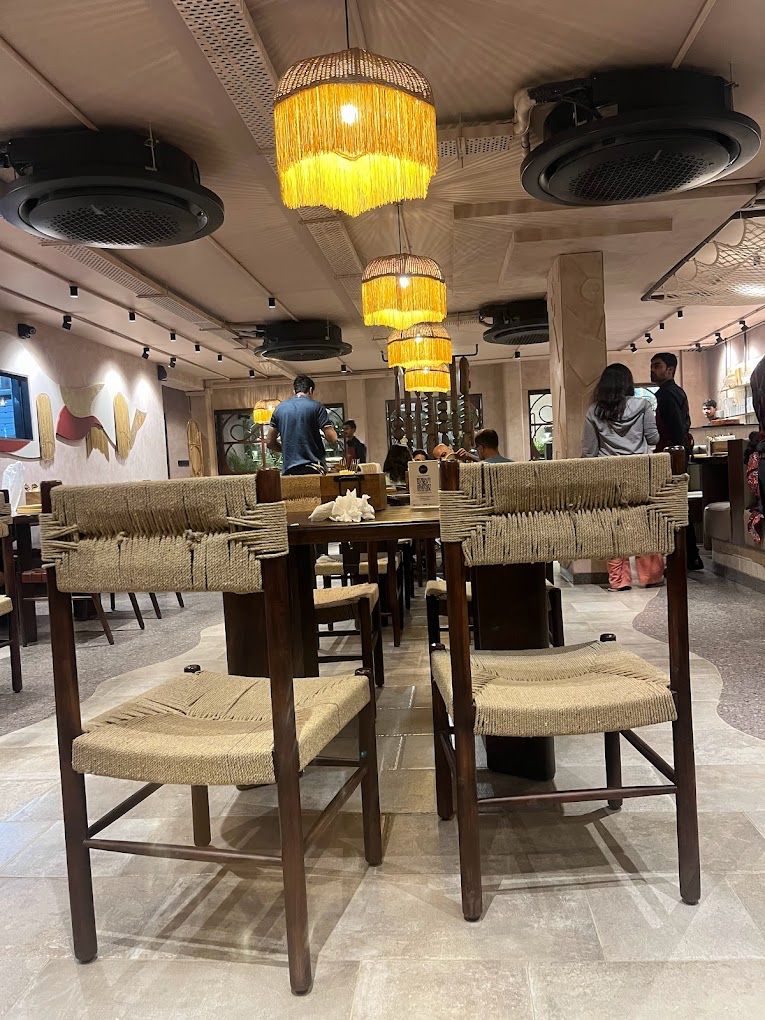
Some of the latest trends in contemporary hotel design include:
FAQs
Contemporary hotel design typically features clean lines, minimalist decor, natural elements like wood and stone, multifunctional furniture, statement lighting, and neutral color palettes. These elements work together to create a sleek, modern, and welcoming atmosphere.
Natural elements such as wood, stone, and indoor plants help add warmth, texture, and a sense of tranquility to hotel interiors. They contribute to a more organic and inviting environment, balancing the sleek, minimalist aesthetics of modern design.
Multifunctional furniture pieces are designed to serve multiple purposes, such as sofa beds, foldable tables, or storage-integrated seating. These versatile pieces help maximize space, making hotel rooms more adaptable to various guest needs and providing a more efficient use of space.
Statement lighting fixtures serve as a focal point in hotel design. They add visual interest and create a mood, whether through bold chandeliers, pendant lights, or designer lamps. Proper lighting can enhance the overall aesthetic, making a hotel feel more luxurious and memorable.
Geometric patterns and abstract art bring personality and creativity into a space. They provide a modern, artistic touch that complements minimalist designs, offering guests a visually engaging and dynamic environment.
Neutral color palettes, such as shades of beige, gray, and white, create a calm, sophisticated, and serene atmosphere. These tones promote relaxation and help the space feel larger and more open, making them ideal for creating a luxurious and restful environment.
Technology is integrated into hotel design to enhance the guest experience. This includes smart lighting, keyless entry systems, automated temperature control, and high-speed internet. Seamlessly incorporating technology ensures that guests have a comfortable and convenient stay.
Flexible spaces refer to areas in a hotel that can easily adapt to different uses. This could include rooms that can be rearranged for meetings or events or public spaces that can accommodate various activities. This adaptability adds value by catering to a wider range of guest needs.
Sustainability is becoming a priority in contemporary hotel design to reduce environmental impact. Eco-friendly materials, energy-efficient lighting, and water-saving fixtures are all part of this trend. Sustainable design not only benefits the planet but also appeals to eco-conscious travelers.
Incorporating local culture and heritage into hotel design creates a unique sense of place and authenticity. It helps guests connect with the area, providing a more memorable and immersive experience. This can include using local materials, artwork, and design elements inspired by the region's history and traditions.
