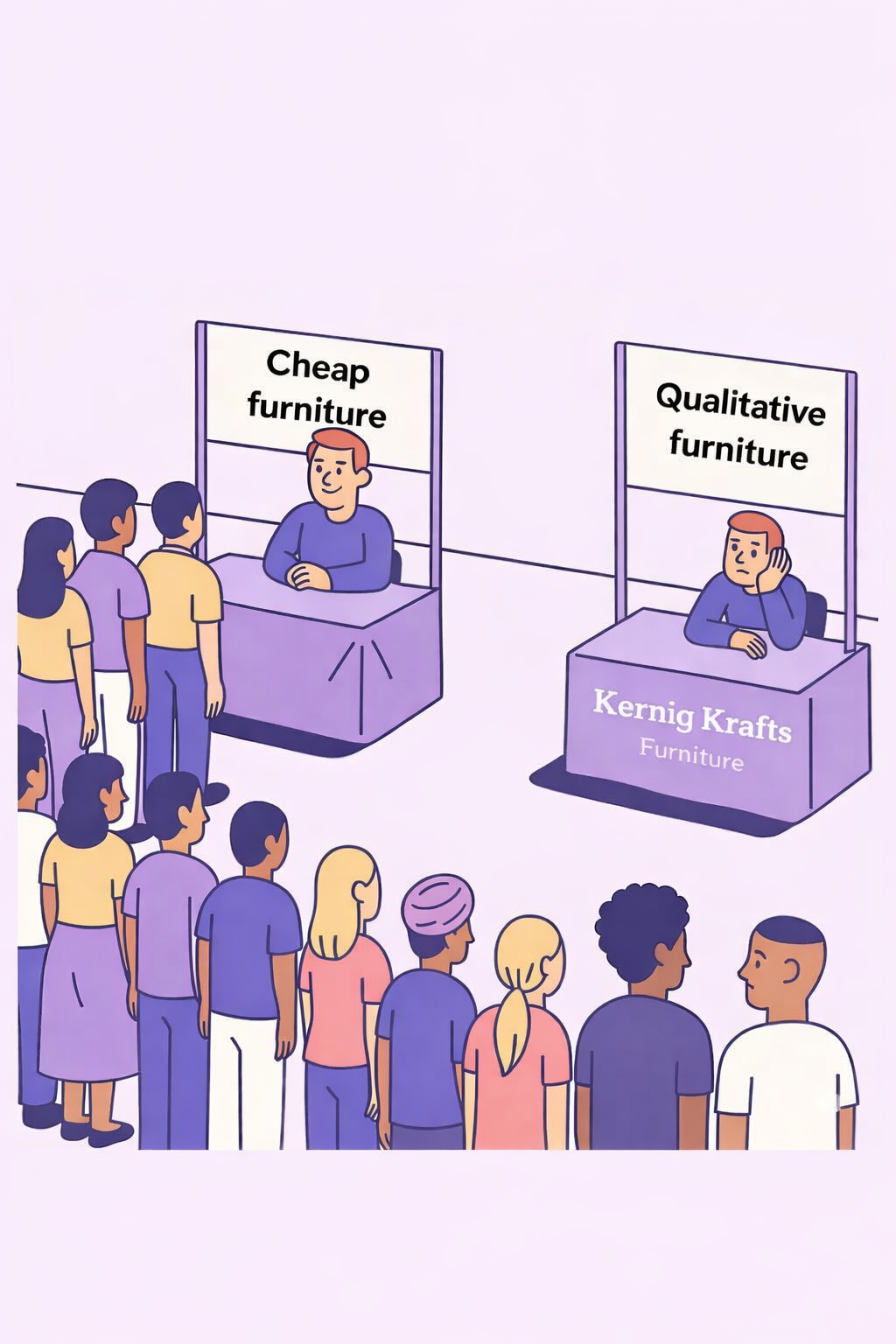

In today’s fast-paced and budget-conscious world, cheap furniture has gained immense popularity among homeowners, renters, and businesses alike. The rise of cheap furniture online shopping has made it easier than ever to browse, compare, and purchase affordable pieces with just a few clicks. E-commerce platforms, frequent discounts, and quick delivery options have further fueled this trend, making budget furniture highly accessible to a wide audience.
At the same time, there has been a noticeable increase in people searching for “cheap furniture stores near me.” This reflects a growing demand for instant solutions—customers want stylish furniture at low prices without long waiting times. For many, affordability takes priority, especially when furnishing temporary spaces, rental homes, or startup offices.
However, this popularity is closely tied to the mindset of “save more now” rather than “pay more later.” While cheap furniture may seem like a smart financial decision initially, it often raises questions about durability, material quality, and long-term value. Lower upfront costs can sometimes lead to frequent replacements, ultimately increasing overall expenses over time.
This brings us to an important comparison: cheap furniture versus qualitative furniture. While budget options offer convenience and cost savings in the short term, high-quality furniture focuses on craftsmanship, longevity, and better return on investment. Understanding this balance is essential for making smarter purchasing decisions that align with both immediate needs and long-term goals.

Cheap furniture refers to budget-friendly pieces that are designed to meet immediate needs at a low cost. These products are typically mass-produced using cost-effective materials and manufacturing techniques, allowing them to be sold at highly competitive prices. This is why they are commonly found in most cheap furniture stores, both online and offline.
The primary appeal of cheap furniture lies in its affordability and accessibility. It enables customers to furnish their homes, offices, or commercial spaces without making a significant financial investment. Common examples include cheap wooden furniture made from engineered wood or low-grade timber, cheap outdoor furniture sets designed for short-term use, and cheap restaurant furniture that caters to startups or temporary setups.
However, while these options are easy on the wallet, they often compromise on durability, finish, and long-term performance. Frequent wear and tear, limited lifespan, and basic designs are typical characteristics associated with such furniture.
Qualitative furniture, on the other hand, focuses on superior quality, craftsmanship, and long-term value. These pieces are made using premium materials such as solid wood, high-grade metals, and durable upholstery, ensuring strength and longevity.
Unlike mass-produced items, qualitative furniture often involves skilled craftsmanship, attention to detail, and refined finishing. The result is furniture that not only looks aesthetically pleasing but also performs well over time.
Investing in qualitative furniture means fewer replacements, better comfort, and enhanced visual appeal. It is designed to withstand daily use while maintaining its structure and elegance, making it a more sustainable and cost-effective choice in the long run.

The biggest difference between cheap furniture and qualitative furniture lies in the materials used and how they are constructed. Cheap furniture is typically made from low-cost engineered materials such as particle board, MDF, and laminates. These materials are affordable but lack strength and durability. Combined with simple joinery methods like staples, glue, or basic screws, the overall lifespan of such furniture is usually around 5 to 10 years.
In contrast, qualitative furniture is crafted using solid kiln-dried hardwood, layered plywood, and strong metal frames. Advanced joinery techniques like dovetail joints, mortise and tenon, and corner block reinforcement significantly enhance structural strength. As a result, qualitative furniture can last anywhere between 20 to 50 years, making it a long-term investment.

The frame is the backbone of any furniture piece. Cheap furniture commonly uses particle board or MDF frames, which are inexpensive but weak and prone to damage. They cannot be sanded or refinished once worn out.
Qualitative furniture offers stronger options like hardwood, softwood, high-quality plywood, and metal frames. Kiln-dried hardwood frames are highly durable and can last over 20 years. Softwood like pine can last 10–15 years with proper care, while metal frames provide stability and longevity of 15–20 years.
Cheap furniture relies on basic staples, glue, or simple screws, which weaken over time. Qualitative furniture uses strong joinery techniques such as dovetail and mortise-and-tenon joints, along with reinforced corners, significantly extending its lifespan.
Cheap furniture often features low-quality plywood, laminates, or plastic veneer tops that chip and peel. In contrast, qualitative furniture uses high-density foam, durable fabrics, and solid wood or veneer table tops, ensuring long-lasting performance and better aesthetics.


The growing popularity of cheap furniture online has significantly contributed to environmental concerns. One of the primary issues is its short lifecycle. Since cheap furniture is made from low-quality engineered materials like MDF, particle board, and laminates, it tends to wear out quickly. Most of these pieces last only 5 to 10 years, and in many cases, even less with regular use.
Because of this limited durability, consumers are forced to replace furniture more frequently. This “buy, use, discard, repeat” cycle leads to a massive increase in furniture waste. Unlike solid wood furniture, cheap furniture is difficult to repair, refinish, or recycle due to its mixed materials and adhesives. As a result, a large portion ends up in landfills, contributing to environmental pollution and increased carbon footprint.
In contrast, qualitative furniture offers a more sustainable and environmentally responsible solution. Made from durable materials such as solid wood, high-quality plywood, and metal, these pieces are designed to last for decades—often between 20 to 50 years. This significantly reduces the need for frequent replacements.
Additionally, quality furniture can often be repaired, refinished, or repurposed, extending its usability even further. By investing in long-lasting furniture, consumers reduce waste generation and minimize the demand for continuous production.
Ultimately, choosing qualitative furniture supports sustainability by lowering environmental impact, conserving resources, and promoting a more responsible consumption pattern over time.

Cheap furniture may appear cost-effective, but it often comes with hidden health and safety risks. Many low-cost furniture products are made using engineered wood like MDF and particle board, which can contain harmful chemicals such as formaldehyde-based adhesives. Over time, these chemicals may release volatile organic compounds (VOCs) into the air, affecting indoor air quality and potentially causing respiratory issues, allergies, or skin irritation.
In addition to chemical concerns, cheap furniture is often built with weak joints and minimal structural support. The use of staples, glue, or low-grade screws can result in unstable construction. With regular use, these joints may loosen, increasing the risk of breakage or sudden collapse. This becomes especially dangerous in daily-use items like chairs, beds, and tables, where safety is critical. For commercial spaces like restaurants or cafés, such failures can also lead to customer injuries and liability issues.
High-quality furniture is designed with both safety and durability in mind. It uses premium materials such as solid wood, high-grade plywood, and metal frames that provide strong structural integrity. Advanced joinery techniques like mortise and tenon or dovetail joints ensure that the furniture remains stable even after years of use.
Moreover, qualitative furniture often follows better manufacturing standards, including the use of safer finishes, low-VOC materials, and tested components. This results in improved indoor air quality and a healthier living environment.
With its strong build and reliable performance, high-quality furniture offers greater safety for both residential and commercial spaces, reducing the risk of accidents while ensuring long-term peace of mind.

Cheap outdoor furniture sets are often designed with cost-saving in mind rather than long-term performance. These products typically use low-grade materials such as untreated wood, lightweight metal, or plastic components that are not built to withstand harsh outdoor conditions. One of the main issues is poor finishing—cheap paints, laminates, or coatings tend to fade, crack, or peel when exposed to sunlight, rain, and temperature changes.
Additionally, these furniture pieces usually lack proper weather resistance. Moisture can seep into particle board or low-quality wood, causing swelling, warping, or structural damage. Metal parts may rust quickly due to inadequate protective coatings. As a result, cheap outdoor furniture loses its appearance and strength within a short period, often requiring replacement within a few seasons.
In contrast, qualitative furniture is built with longevity in mind—both in terms of design and durability. High-quality outdoor furniture uses weather-resistant materials such as treated solid wood, powder-coated metal, and high-grade finishes that can withstand environmental exposure.
Beyond durability, qualitative furniture also focuses on timeless design. Instead of following short-term trends, these pieces are crafted with classic aesthetics that remain relevant for years. This ensures that the furniture not only performs well but also continues to complement evolving interior or exterior styles.
With superior materials, strong construction, and refined finishing, quality furniture maintains its structure, appearance, and usability over the long term—making it a reliable and cost-effective investment.


At first glance, buying from cheap furniture stores seems like a smart financial decision. The low upfront price attracts budget-conscious buyers who want to furnish their space quickly. However, what often goes unnoticed are the hidden costs that come with cheap furniture.
Due to the use of low-quality materials and basic construction methods, cheap furniture tends to wear out faster. Issues like loose joints, surface damage, and structural weakness start appearing within a few years. This leads to frequent repairs, which add unexpected costs over time. In many cases, repairs are not even possible, forcing users to replace the furniture entirely.
This cycle of repeated buying increases overall spending. What initially seemed affordable turns into a costly long-term decision, as customers end up paying multiple times for the same type of furniture.
When comparing cheap furniture to qualitative furniture, the difference becomes clear over time. Cheap furniture involves repeated spending—buying, repairing, and replacing every few years. On the other hand, qualitative furniture requires a higher initial investment but offers long-term value.
High-quality furniture, made from durable materials and strong construction techniques, can last 20 to 50 years with minimal maintenance. This means you invest once and benefit for decades without the need for frequent replacements.
In the long run, qualitative furniture proves to be more cost-effective. It eliminates recurring expenses, reduces hassle, and provides better performance. Instead of focusing only on the initial price, considering the total cost of ownership helps make a smarter and more economical decision.

When purchasing cheap furniture online, it’s important to look beyond just the price tag. Start by checking the material specifications—ensure whether it is made from MDF, particle board, or solid wood, as this directly affects durability. Always review the product description carefully, including dimensions, weight capacity, and finish details.
Warranty is another key factor. Even budget furniture should come with at least a basic warranty, which reflects the manufacturer’s confidence in the product. Additionally, go through customer reviews and ratings to understand real-life usage, durability, and potential issues. Images shared by buyers can also give a clearer idea of the actual product quality versus advertised visuals.
When it comes to cheap restaurant furniture, smart buying is essential because of heavy daily usage. Instead of focusing only on low prices, prioritize durability and strength. Look for furniture with sturdy frames, preferably metal or solid wood, even if the outer design is simple.
Check for strong joinery and stable construction, as restaurant furniture undergoes constant movement and weight load. Opt for materials that are easy to clean and maintain, such as laminated surfaces or treated wood. Investing slightly more in high-traffic items like chairs and tables can prevent frequent replacements and downtime in your business.
Balancing budget and quality is the key to a smart furniture investment. Instead of buying everything cheaply, focus on prioritizing essential pieces like beds, sofas, and dining tables—items that are used daily and require durability.
You can save on decorative or less frequently used items while allocating a higher budget to core furniture. This approach ensures long-term value without overspending. By making informed choices, you can achieve a balance between affordability and quality, creating a space that is both functional and long-lasting.

Kernig Krafts stands out for its commitment to using premium-quality materials and expert craftsmanship. Every piece of furniture is carefully designed using solid wood, high-grade plywood, and durable metal components to ensure long-lasting performance. Unlike mass-produced alternatives, the focus here is on precision, detailing, and strong construction techniques such as mortise and tenon joinery and reinforced structures. This attention to quality not only enhances durability but also delivers a refined and elegant finish that elevates any space.
Whether it’s residential interiors, corporate offices, or high-traffic restaurant environments, Kernig Krafts offers furniture solutions built to handle real-world usage. Each product is designed keeping functionality, comfort, and longevity in mind. From sturdy dining sets and sofas to commercial-grade restaurant furniture, every piece is made to withstand daily wear and tear without compromising on style. This makes it an ideal choice for businesses and homeowners looking for reliable, long-term furniture solutions.
Kernig Krafts provides a strong alternative to cheap furniture stores by focusing on value rather than just price. While cheap furniture may offer short-term savings, it often leads to frequent replacements and higher long-term costs. In contrast, Kernig Krafts delivers furniture that combines durability, timeless design, and superior materials—ensuring better return on investment. By choosing quality over temporary affordability, customers benefit from furniture that lasts longer, performs better, and maintains its aesthetic appeal for years.
At first glance, cheap furniture may seem like the perfect solution for budget-conscious buyers. The low upfront cost and easy availability make it an attractive option for quick furnishing needs. However, when you look beyond the initial price, the reality is quite different. Cheap furniture often comes with a shorter lifespan, lower durability, and higher chances of damage, leading to frequent repairs and replacements. Over time, these repeated expenses can actually make it more costly than expected.
On the other hand, quality furniture represents a smart, long-term investment. With superior materials, strong construction, and better finishing, it offers durability, safety, and lasting value. Instead of replacing furniture every few years, you invest once and enjoy consistent performance for decades. It also ensures better comfort, enhanced aesthetics, and improved safety for both residential and commercial spaces.
In the end, the choice comes down to perspective—short-term savings or long-term value. While cheap furniture may solve immediate needs, quality furniture delivers reliability and peace of mind. The smarter decision is to choose wisely, focusing not just on price, but on overall value, durability, and long-term benefits.
Looking to move beyond cheap furniture?
Upgrade to durable, stylish, and long-lasting furniture with Kernig Krafts. Discover thoughtfully crafted pieces designed for strength, comfort, and timeless appeal—perfect for homes, offices, and commercial spaces.
Contact us today and invest in furniture that truly adds long-term value to your space.
