"What Makes A Restaurant Business Profitable In 2025?"
"From cost management to marketing and even the design of the menu, there are several ways that aid the optimization of restaurant business profitability. Achieve operational mastery and business success with dedicated learning around restaurant franchise management.
By 2025, the Restaurant business of dining out will have changed, shaped by customer expectations, operational demands, and competitive innovations.
If you are launching your first restaurant or are seeking to revamp an existing one, paying attention to profitability milestones is imperative.
One major contributor to profitability, which is often overlooked, is restaurant furniture.
Beyond offering comfort and enhancing style, furniture has a direct impact on the atmosphere and customer experience, which are vital for the business's success.
Regarding furniture selection, the customer experience begins with a well-planned legal and financial framework for restaurant operations. Permits and business licenses as legal requirements are essential, alongside a financial outline, for profitable execution.
Also, restaurant furniture to suit a variety of tastes is more accessible than ever.
Understanding the distinction between a casual eatery, a chic, trendy café, or an upscale dining restaurant is imperative for successful functionality and brand image.
This article will discuss achieving greater organizational profitability through optimal furniture configurations and efficient arrangements that enhance the customer and staff experience within the restaurant.
What is Restaurant Furniture?
"The Grand Trunk Road Restaurant in Hyderabad, featuring traditional decor and authentic dining ambiance."
Furniture in a restaurant includes items that are used to equip a dining space, such as tables, chairs, booths, and other dining room fixtures.
The design and layout of the space significantly enhance the overall experience, and perhaps even more importantly, the materials used play a crucial role in improving the customer experience.
Selected restaurant furniture helps create the best tone and atmosphere that drives customer satisfaction, ultimately business success.
Types of Restaurant Furniture and Their Functionality
Furniture used in restaurants comes in a wide array and is designed for particular functions.
Outdoor restaurant furniture includes chairs, tables, and other patio and outdoor seating area equipment.
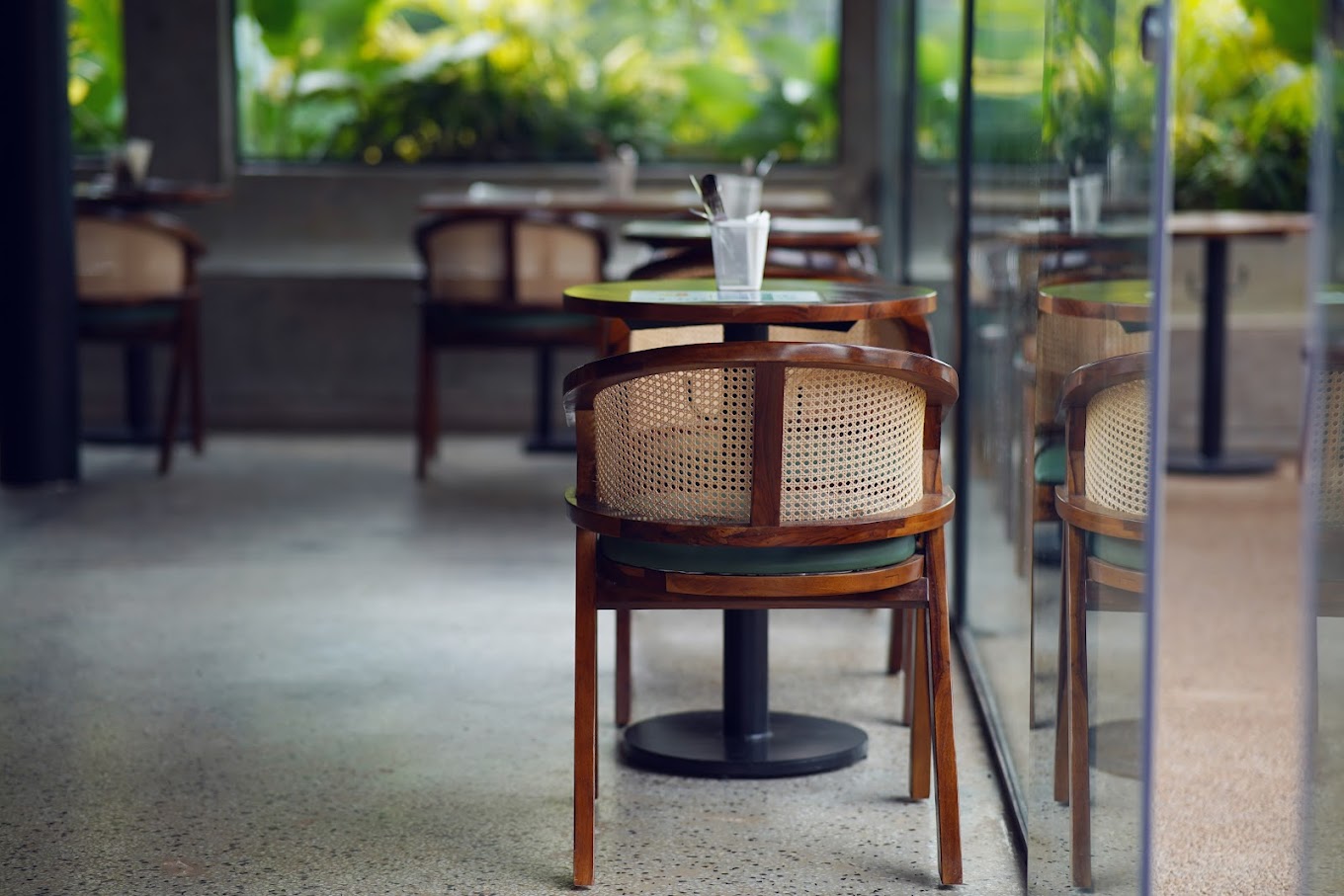
Café restaurant furniture pieces are designed to be more relaxed and fit the needs of customers enjoying casual coffee or light meals. Wooden furniture for restaurants offers a more timeless appeal.
In addition, booths and barstools provide variety when it comes to seating. Restaurant furniture manufacturers ensure these pieces are designed to be used for many years to come and can withstand a lot of use while always keeping a balance of aesthetics.
How Furniture Influences Customer Experience and Satisfaction
Customer satisfaction is seemingly based on the comfort and design of a restaurant's furniture.
Thoughtfully created furniture makes a warm and inviting atmosphere, which is appealing to MODERN RESTAURANT FURNITURE customers.
Sleek and stylish furniture draws in a modern and trendy crowd as STYLISH RESTAURANT FURNITURE does.
Well-designed furniture increases traffic flow, which improves operational efficiency.
A customer who is relaxed and comfortable is likely to recommend the restaurant to others, which increases traffic.
What Are the Requirements to Open a Restaurant?
Opening any restaurant requiresextensive planning and adequate attention to detail, the scope of which ranges from the legal aspects to the customer experience you wish to provide.
Whether a prospective restaurateur is interested in a fast-casual café or an upscale fine-dining restaurant, knowing the vital steps is the first move.
This ranges from acquiring the necessary licenses and complying with health and safety standards to choosing a proper location, managing investment expenses, and designing a menu that fits your customer base.
In the end, passing all the steps is crucial for the long-term success and sustainability of your restaurant business.
Essential Legal and Licensing Requirements for Starting a Restaurant
There is an order of legal documents and licenses that a prospective restaurant owner must obtain before commencing operations.
This order typically includes a business license, food handling permits, liquor licenses (if applicable), and health department certifications.
In addition, registering the restaurant with the proper local and state bodies is required to follow the business-related regulations.
In most instances, cooperating helps to avoid most local and state punitive fines or shutdowns post-operation.
Comprehending The Health and Safety Standards of the Local Level
Any restaurant's operation requires compliance with health and safety standards.
There are regulations about the safekeeping of food, sanitation, and the safety of employees.
The local health departments set these standards to ensure that food does not become a health hazard; that is, it is prepared and served with minimal risk of contamination.
Customers who bestow trust on a restaurant's food safety regulations enhance the trust and goodwill the restaurant builds with its patrons, and a positive reputation is bound to follow.
Also, routine health inspections are mandated to ensure all issues are addressed and compliance with all laws is maintained.
Your Choice of Location: A Determinant of the Success of a Business
Your restaurant can benefit from a favorable location, but it can also be detrimental.
Tailoring these to your target market and the kind of dining experience your restaurant will offer is critical.
Businesses and attractions, while also having high foot traffic, are crucial. Long-term success is also bound by a location that is within budget and properly zoned.
Increased visibility and overall growth, coupled with access to previously difficult-to-reach attractions and other businesses, are also attractive.
Opening a Business Within the Food Service Sector: What You Are Going to Need As An Initial Investment
The initial investment and the type of restaurant that you aim to start differ in several ways: region, type of food served, target demographic, and location.
You need to pay special attention to several key areas, including the lease or purchase of the property, renovations, equipping the restaurant, stocking up on food, and hiring your initial team.
You need to pay attention to operational costs as well; these include but are not limited to advertising, ordering, and utilities.
Your restaurant's operational costs need to be profitable during its initial phase, up until it turns profitable.
Building customer loyalty and retention requires investment in a varied multiplicity of areas, but one of the strongest tools in a restaurant's position is a well-designed multifunctional menu.
Menus should be organized by the restaurant's concept, while also ensuring that your target audience's needs are addressed.
Consider maintaining an array of appealing items that are easy to prepare and affordable to customers.
Menus can set you apart, and good ones can be an essence of your brand. Investing in a varied menu enhances your brand value and increases your restaurant's system.
5 types of restaurant products that are essential for every restaurant
Choosing the right dining table for a restaurant is crucial, as it significantly impacts the ambiance and functionality of the outlet.
For romantic dinners, a four-seater or two-seater DINING TABLES are a must, and for bigger gatherings, there is also DINING TABLE SETS.
These are the most common types of DINING TABLES. For a cozy yet elegant restaurant, a wooden table is the best.
For elegant RESTAURANT WOOD DINING TABLES SETS, the wooden dining table is a good idea as it adds charm and a touch of sophistication.
A good DINING TABLE DESIGN will also provide comfort and enhance the visual appeal of the restaurant, thus encouraging guests to savor every moment of the meal.
In the context of designing a restaurant, choosing the appropriate chair is of utmost importance. The same goes for the type of restaurant.
Whether a café, fast-food restaurant, or fine dining, the chairs in the restaurant certainly provide diners with a pleasant experience.
Attention to detail, such as selecting the right modern easy chair furniture, helps create a calming ambiance for guests.
Thus, they are more likely to stay longer and revisit the restaurant. In addition to this, a well-designed chair and table set boosts the beauty of the place. Thus, the restaurant would not only appear to be neat and clean, but also professional.
Therefore, for restaurants, having well-planned and modern chair furniture is a matter of appeal to customers.
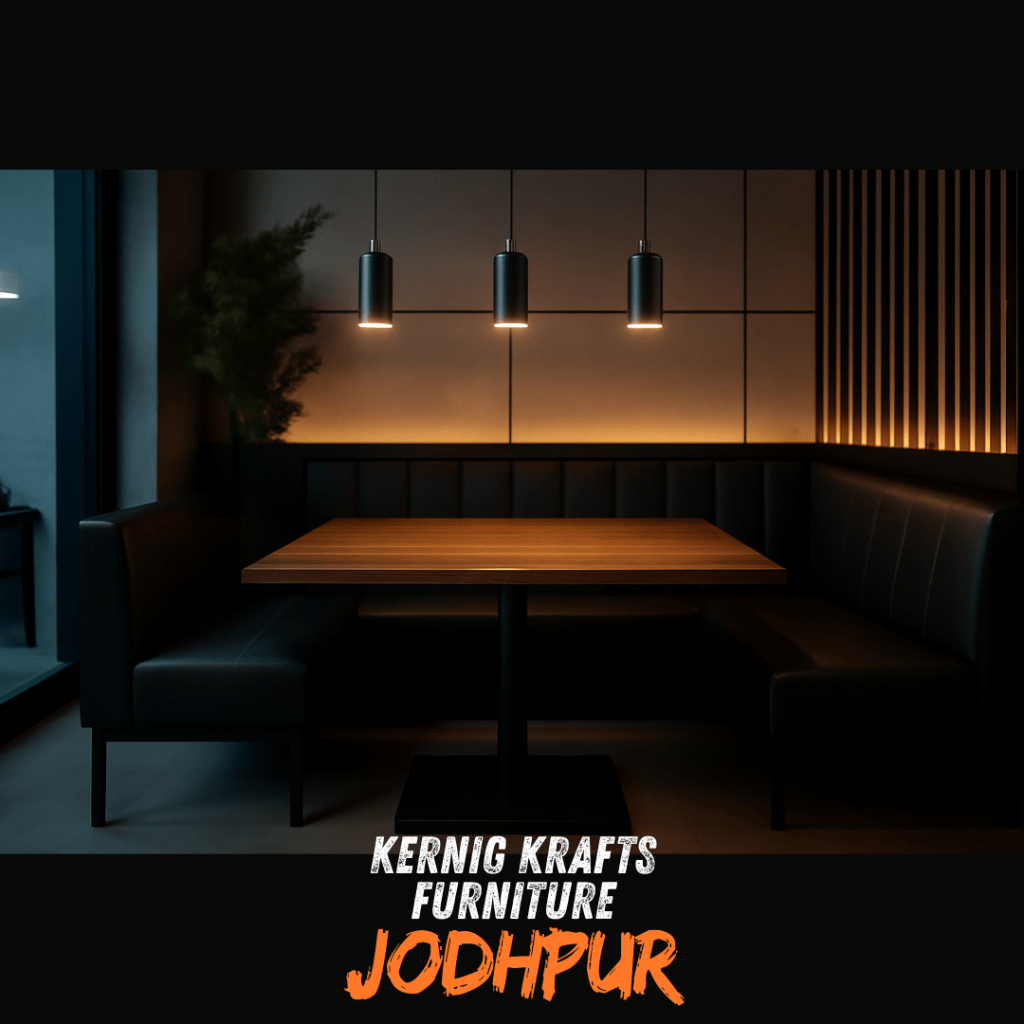
Diner booths are the most preferred type of seating for most customers.
In addition to this, a booth's comfy backrest enables diners to sit back and relax. Not only this, but booth seating will also help the restaurant manage its space.
This type of seating combines style and privacy, making it an excellent choice for restaurant seating.
Restaurant booths are excellent for improving seating capacity and are a space-saving addition to the restaurant.
Booth seating is an excellent addition to any restaurant and helps improve the overall customer experience.
Outdoor furniture is essential in changing a restaurant's exterior into a multifunctional space.
Consider weatherproof outdoor furniture for all-year use, classic wooden outdoor furniture for rustic charm, or stylish cane outdoor furniture for a touch of elegance.
Enhancing the dining experience outdoors requires durability and weatherproofing, especially for terraces where guests relax and enjoy meals in comfort.
In the fast-paced setting of a restaurant, good storage and display units are essential for both organization and the restaurant's ambiance.
For example, glass display cabinets can elegantly showcase fine wines, spirits, and curated decor while keeping the space polished and professional.
A display cabinet with glass doors can not only keep valuable items safe, but can also enhance the beauty of the dining area.
BAR CART FURNITURE also serves a dual purpose, as it allows staff to effortlessly transport drinks and other supplies while also being a stylish addition to the space.
FURNITURE MOVING CARTS are a must for dining area or storage space rearrangement, as they allow for easy and quick transitions.
Whether enhancing the customer experience or operating with streamlined efficiency, the proper storage and display units can maximize both storage and presentation in a restaurant.
KERNIG KRAFTS FURNITURE JODHPUR
Kernig Krafts Furniture, a leading restaurant furniture manufacturer, was set up in Jodhpur and has been specializing in designing and crafting premium restaurant furniture.
We are happy to provide, upon request, catalogs or other information concerning commercial space solutions.
For domestic orders, contact us at: +91 98285543552
For export inquiries, reach us at: +91 9414133424
Please email us at: info@kernigkrafts.com
Request Our Furniture Catalogue
FAQs
FAQ 1. What are the best types of restaurant furniture for durability and style?
Answer: The best restaurant furniture combines durability with aesthetic appeal. Materials like solid wood, metal frames, and commercial-grade upholstery are popular for their long-lasting performance and modern looks.
FAQ 2. How can restaurant furniture design enhance the dining experience?
Answer: Smart restaurant furniture design improves layout, comfort, and ambiance. It helps define the restaurant theme—whether cozy, elegant, or industrial—contributing directly to customer satisfaction and retention.
FAQ 3. What should I look for in restaurant furniture manufacturers?
Answer: Look for manufacturers who offer high-quality materials, customization options, timely delivery, and after-sales support. It's also essential they specialize in commercial-grade restaurant furniture to ensure durability.
FAQ 4. Why is outdoor restaurant furniture different from indoor options?
Answer: Outdoor restaurant furniture is designed to withstand weather elements. It’s typically made from rust-resistant metals, treated woods, or synthetic wicker, and includes UV-resistant cushions for longevity and comfort.
5. What makes wooden furniture for restaurants a good choice?
Answer: Wooden furniture offers a timeless, natural appeal. It’s strong, versatile, and can be stained or painted to match any restaurant interior theme—from rustic to upscale modern.
6. How is cafe restaurant furniture different from regular restaurant furniture?
Answer: Cafe furniture often features lightweight, compact designs ideal for casual dining and small spaces. It includes bistro chairs, small tables, and trendy stools that create a relaxed atmosphere.
7. What are the latest trends in modern restaurant furniture?
Answer: Trends in modern restaurant furniture include minimalist designs, ergonomic seating, mixed materials like wood and metal, and sustainable or eco-friendly options. Custom-built pieces are also gaining popularity.
8. How can I choose the right furniture for cafes and restaurants?
Answer: Focus on functionality, space efficiency, and brand alignment. Choose furniture that matches your theme, supports customer comfort, and stands up to daily commercial use.
9. Is it worth investing in custom-designed restaurant furniture?
Answer: Yes, custom-designed restaurant furniture can give your space a unique identity, fit your layout perfectly, and support your brand storytelling—making it a worthy investment in customer experience.
10. How do I maintain and clean outdoor restaurant furniture?
Answer: Regularly wipe surfaces with mild soap and water. Use furniture covers when not in use, and store items indoors during harsh weather. For wood, reapply sealants annually to prevent damage.