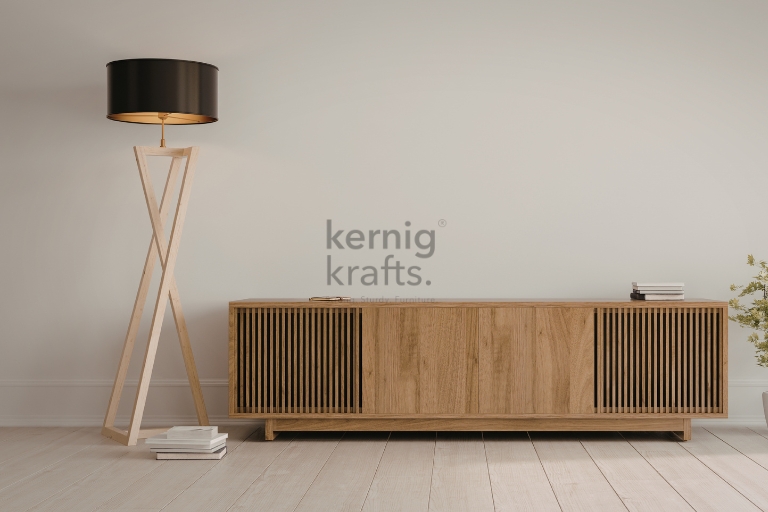
Minimalist Furniture Design: Everything You Need to Know
Discover everything about minimalist furniture design—its history, principles, materials, and types. Learn how to create a clean, functional, and modern minimalist space.
Minimalist furniture design is more than just a style—it represents a conscious lifestyle choice, centred on simplicity, functionality, and clarity. In an era where daily life is often fast-paced and overwhelming, many people are turning toward clutter-free living to create a sense of balance and calm in their homes. This growing shift has made minimalist furniture design increasingly popular in modern interiors.
At its core, minimalist furniture design follows the principle of "less is more." Instead of filling spaces with excessive items and decoration, it focuses on keeping only what is essential. Each piece of furniture is selected with intention, serving a clear purpose while contributing to the space's overall harmony. This approach not only enhances visual appeal but also improves how a space functions in everyday life.
One of the key reasons for the rise of minimalist furniture design is its ability to create calm, organised environments. Clean lines, neutral colour palettes, and open layouts help reduce visual noise, making spaces feel more spacious and inviting. By eliminating unnecessary elements, this design style allows individuals to focus on what truly matters, both in their surroundings and in their lifestyle.
Additionally, minimalist furniture design aligns well with modern values such as sustainability and mindful consumption. By investing in fewer, high-quality pieces, people can reduce waste and create long-lasting interiors.
Overall, minimalist furniture design offers a practical and aesthetically pleasing solution for those seeking simplicity, efficiency, and a more intentional way of living.
Minimalist furniture design emphasises simplicity, functionality, and a purposeful approach to living. Rooted in the mid-20th-century modernist design movement, it embraces the philosophy of "less is more." This approach eliminates unnecessary elements and retains only what is essential, allowing furniture to serve both a practical and aesthetic role without excess.
The popularity of minimalist furniture design grew alongside modernist design, which aimed to break away from traditional, heavily ornamented styles. Instead of decorative detailing, minimalist furniture emphasises clean lines, geometric forms, and uncluttered surfaces. Every piece is designed with intention, ensuring that it contributes meaningfully to the overall space.
At its core, minimalist furniture design is guided by a few key concepts:
First, it focuses on simplicity—designs are straightforward, with no unnecessary complexity.
Second, it prioritises clarity, where each element has a clear purpose and visual presence.
Third, it emphasises functionality, ensuring that furniture is not just visually appealing but also practical and efficient in everyday use. The elimination of excessive decoration allows the true form and material of the furniture to stand out.
Minimalist furniture strips away distractions and highlights usability and clean design. As a result, spaces furnished in this style often feel more open, calm, and intentional. By choosing minimalist furniture, individuals can create environments that promote clarity, reduce visual clutter, and enhance overall balance and harmony.
Historical Background of Minimalist Furniture Design
Minimalist furniture design did not emerge from a single source; instead, it evolved through the influence of several global design movements that shared a common focus on simplicity and functionality. These movements, spanning different regions and time periods, collectively shaped what we now recognise as minimalist furniture.
Scandinavian Design
One of the most significant influences is Scandinavian design, which gained prominence after World War II. This movement emphasised simplicity, affordability, and practicality, making well-designed furniture accessible to a wider audience. Scandinavian designers focused on clean lines, light tones, and functional forms, ensuring that every piece served a clear purpose without unnecessary ornamentation. This approach laid a strong foundation for the development of minimalist furniture.
Japanese Minimalist Design
Japanese minimalism also played a crucial role in shaping minimalist philosophy. Rooted in cultural values such as harmony, balance, and a deep connection to nature, Japanese design promotes calm, uncluttered living spaces. Furniture inspired by this tradition often features low profiles, natural materials, and an emphasis on negative space. The idea is to create environments that feel peaceful and intentional, rather than crowded or overwhelming.
Mid-century modern design
Another key influence is mid-century modern design, which introduced sleek lines, organic shapes, and a focus on functionality. Designers during this period moved away from heavy decoration and instead embraced innovation, simplicity, and practicality.
Together, these movements contributed to the evolution of minimalist furniture, blending aesthetics with purpose. The result is a design philosophy that values clarity, efficiency, and timeless appeal, continuing to influence modern interiors today.
Principles of Minimalist Furniture Design
Minimalist furniture design is built on a set of core principles that prioritise clarity, purpose, and simplicity. These principles guide the creation of furniture that is not only visually appealing but also highly functional, making it ideal for modern living spaces. By focusing on what truly matters, minimalist furniture design helps create environments that feel calm, organised, and intentional.
One of the primary principles is simplicity in form. Furniture pieces are designed with straightforward shapes and structures, avoiding unnecessary complexity. This simplicity allows the design to feel timeless and adaptable to different interiors. Closely related to this is the idea of functionality first, where every piece serves a clear, practical purpose. In minimalist furniture design, aesthetics never compromise usability.
Clean lines and geometric shapes are also essential elements. Straight edges, smooth surfaces, and balanced proportions create a sense of order and harmony. Minimal ornamentation further reinforces this approach by eliminating decorative details that do not contribute to the furniture's function. Instead, the focus remains on the structure, material, and craftsmanship.
The use of natural materials such as wood, metal, and stone is another important principle. These materials add warmth and authenticity while maintaining a simple and refined look. A neutral colour palette—often consisting of whites, greys, beiges, and earthy tones—enhances the sense of openness and tranquillity.
Finally, effective use of negative space prevents rooms from feeling overcrowded. By allowing space around furniture, minimalist interiors appear more breathable and balanced. Together, these principles create spaces that are both practical and visually calming, reflecting the true essence of minimalist furniture design.
Characteristics of Minimalist Furniture Design
Minimalist furniture is defined by distinct characteristics that make it easily recognisable and widely appreciated in modern interiors. These features focus on reducing visual clutter while enhancing functionality, resulting in spaces that feel clean, balanced, and purposeful.
Form
One of the most noticeable characteristics of minimalist furniture is its simple and geometric forms. Designs often include straight lines, smooth curves, and basic shapes such as rectangles or circles. This simplicity allows the furniture to blend seamlessly into different spaces without overwhelming the overall design.
Colour
Colour also plays a crucial role in minimalist furniture. Neutral and muted tones such as white, grey, beige, and soft earth shades are commonly used. These colours create a calm and cohesive look, making the space feel more open and serene. Instead of bold or contrasting hues, the focus remains on subtlety and harmony.
Materials
Materials used in minimalist furniture are typically natural and durable. Wood, metal, glass, and stone are commonly preferred for their strength and timeless appeal. These materials not only ensure longevity but also add authenticity and warmth to the design.
Functionality
Functionality is another defining feature. Minimalist furniture is practical and often designed for multi-use. For example, a storage bed or a foldable table serves multiple purposes, maximising utility without adding extra items to the space.
Finally, minimalist interiors are open and uncluttered. Furniture is arranged thoughtfully, leaving enough space around each piece to maintain a sense of flow. This approach enhances both usability and visual comfort, making minimalist furniture an ideal choice for modern, organised living.
Famous Minimalist Designers
Minimalist furniture design has been shaped by several iconic designers whose work reflects simplicity, innovation, and timeless appeal. These designers have contributed significantly to the evolution of minimalist furniture design, each bringing a unique perspective while staying true to the core philosophy of "less is more."
Hans Wegener is widely regarded as one of the pioneers of modern minimalist furniture. Known for his exceptional craftsmanship and deep understanding of materials, Wegener created designs that combined simplicity with comfort. His chairs, in particular, are celebrated for their clean lines and functional elegance, making them enduring symbols of minimalist furniture.
Verner Panton introduced a more experimental approach to minimalist design. While maintaining simplicity in form, he explored bold shapes and innovative materials, especially plastics. His work demonstrates how minimalist furniture can also be expressive and futuristic while remaining functional.
Naoto Fukasawa is known for his philosophy of "without thought," where design feels so natural that it blends seamlessly into everyday life. His minimalist furniture focuses on subtle details, intuitive use, and quiet beauty, embodying the essence of simplicity and usability.
Isamu Noguchi brought an artistic dimension to minimalist furniture design. His work often blurs the line between sculpture and furniture, using organic forms and natural materials to create pieces that are both functional and visually striking.
Together, these designers have influenced the direction of minimalist furniture design, proving that simplicity does not limit creativity but rather enhances it.
Types of Minimalist Furniture
Minimalist furniture can be categorised by room, with each type designed to enhance functionality while maintaining a clean, uncluttered look. Whether in the living room, bedroom, dining area, or workspace, minimalist furniture emphasises simplicity, efficiency, and purposeful design.
Living Room
In the living room, minimalist furniture includes low-profile sofas, simple coffee tables, and open shelving units. These pieces are designed to create a sense of openness and comfort without overwhelming the space. Low seating arrangements and sleek surfaces help maintain visual balance, while open shelves provide storage without making the room feel heavy or crowded.
Bedroom
For the bedroom, minimalist furniture emphasises rest. Platform beds are a popular choice due to their simple design and low height, which creates a calm, grounded atmosphere. Hidden storage units are also commonly used, allowing for organisation without visible clutter. This approach ensures the bedroom remains a peaceful, distraction-free environment.
Dining Room
In the dining room, minimalist furniture often features clean wooden tables, lightweight chairs, and thoughtfully designed minimalist dining table options. These tables typically feature simple forms, smooth finishes, and minimal detailing, making them both practical and visually appealing. The focus is on creating a space that is functional for everyday use while maintaining a refined aesthetic.
Workspace
For workspaces, minimalist furniture includes clutter-free desks and functional storage solutions. Desks are designed with clean lines and sufficient surface area, while storage is kept efficient and discreet. This setup promotes productivity by reducing distractions and creating an organised environment.
Overall, minimalist furniture adapts to every space, ensuring a harmonious balance between usability and simplicity.
Materials Used in Minimalist Furniture
Materials play a crucial role in defining the look and feel of minimal furniture. In minimalist furniture design, the focus is not on excessive decoration but on the quality, texture, and natural beauty of materials. Each material is carefully selected to enhance simplicity while ensuring durability and functionality.
Wood
Wood is one of the most commonly used materials in minimalist furniture. It brings a warm and natural feel to any space, making interiors more inviting and balanced. Light-toned woods such as oak, ash, or pine are especially popular because they complement neutral colour palettes and maintain a clean, understated appearance.
Metal
Metal is another essential material, often used to add a sleek and modern touch. Whether in the form of table legs, frames, or accents, metal provides strength and a refined look. Finishes like matte black, brushed steel, or chrome help maintain the minimalist aesthetic without drawing too much attention.
Glass
Glass is widely used in minimalist furniture to create a sense of visual lightness. Glass surfaces, such as tabletops or shelving, make spaces feel more open and less crowded. Its transparency allows light to pass through, enhancing a room's overall clarity and openness.
Fabric
Fabric materials like linen and cotton are commonly used in upholstery to add softness and comfort. These natural fabrics align with the minimalist philosophy by offering subtle textures that do not overwhelm the design. They also contribute to a cosy yet simple environment.
Overall, the materials used in minimalist furniture are chosen for their ability to combine aesthetics with practicality, creating spaces that feel both elegant and functional.
Minimalist Lifestyle and Furniture
Minimalist furniture design is closely connected to a broader lifestyle philosophy that values intention, simplicity, and mindful living. Being minimalist is not just about how a home looks—it’s about making conscious choices that improve both your environment and daily life. Furniture plays a key role in supporting this approach by encouraging thoughtful consumption and purposeful design.
One of the main principles of a minimalist lifestyle is reducing clutter. Minimalist furniture design naturally supports this by focusing on essential pieces that serve clear functions. Instead of overcrowding a space, it promotes open layouts where every item has a place and purpose, creating a calm and organized atmosphere.
Another important aspect is buying fewer but better-quality items. Rather than frequently replacing low-quality furniture, a minimalist approach encourages investing in durable, well-crafted pieces. This not only ensures long-term use but also reduces waste and unnecessary spending over time.
Durability and longevity are central to minimalist furniture design. Materials and construction are chosen with care so that furniture remains functional and visually appealing for years. This long-term mindset shifts the focus from temporary trends to lasting value.
Sustainability is also a key element of this lifestyle. Choosing eco-friendly materials, ethical production methods, and timeless designs helps minimize environmental impact. Minimalist furniture often incorporates natural materials and avoids excessive processing, aligning with sustainable practices.
Overall, minimalist furniture design supports a lifestyle that promotes clarity, reduces excess, and encourages mindful consumption, ultimately creating spaces that feel balanced, practical, and meaningful.
Way Ahead
Minimalist furniture design is more than a visual trend—it is a thoughtful approach to creating spaces that truly support everyday living. By prioritising simplicity, functionality, and intentional design, each piece of furniture serves a clear purpose while contributing to a clean, harmonious environment.
In today's fast-paced world, where clutter and excess are common, minimalist furniture design offers a refreshing alternative. It encourages individuals to focus on what truly matters, eliminating unnecessary items and making room for clarity and comfort. This approach not only improves the look of a space but also enhances how it feels and functions day to day.
Another key advantage of minimalist furniture design is its timeless appeal. Unlike trends that quickly fade, minimalist designs remain relevant due to their simplicity and practicality. Clean lines, neutral colours, and durable materials ensure that furniture can adapt to changing styles and needs over time, making it a long-term investment.
Sustainability also plays an important role in this design philosophy. By choosing high-quality, long-lasting pieces and eco-friendly materials, minimalist furniture supports responsible consumption and reduces environmental impact.
Ultimately, minimalist furniture design is about creating purposeful spaces that promote balance, efficiency, and well-being. It transforms homes into environments that are not only aesthetically pleasing but also practical and meaningful, making it an ideal choice for modern living.
For more information or enquiries, you can write to: info@kernigkrafts.com