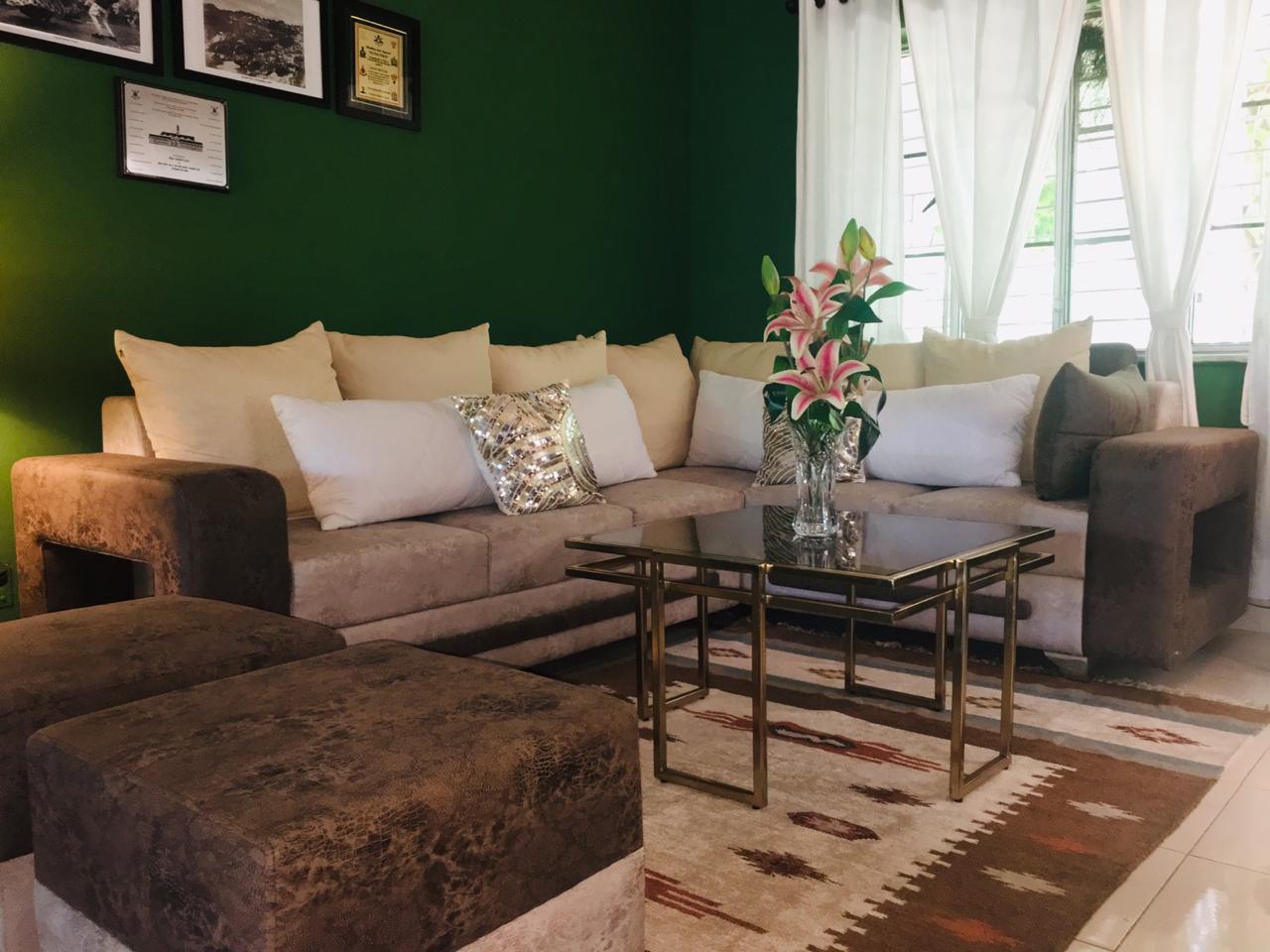
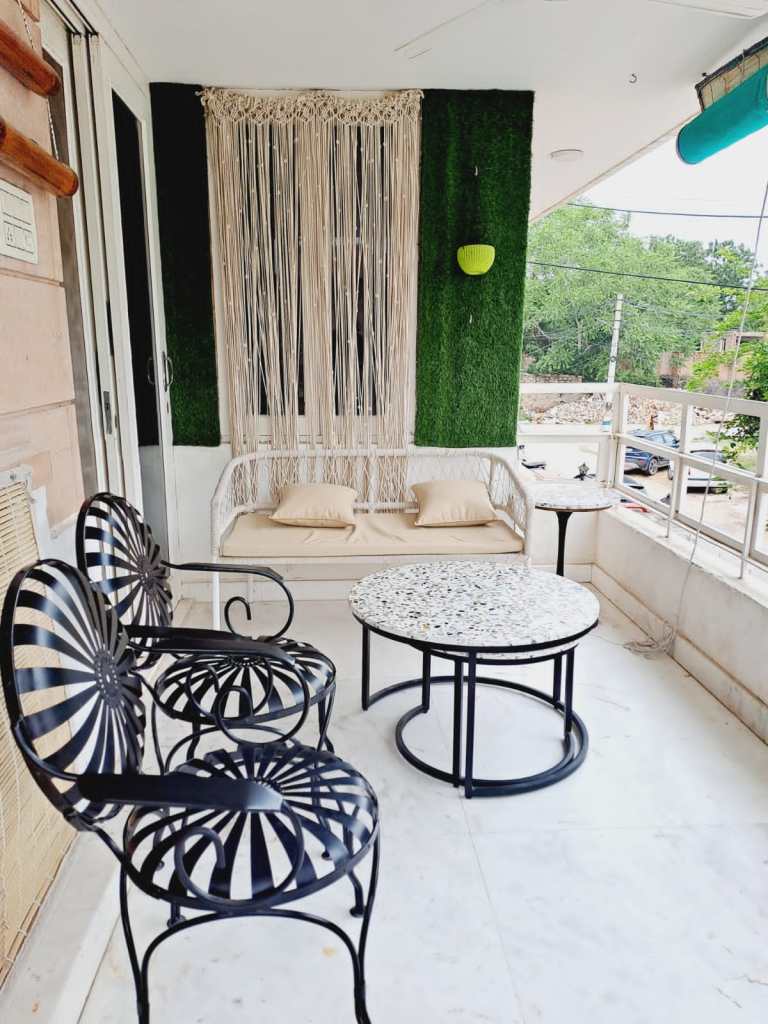
Shop wisely by testing furniture in person, reading reviews, and comparing prices. Add personal touches to reflect your personality, ensuring that each piece fits well and enhances the overall aesthetic and functionality of your home.
Selecting furniture for your newly renovated flat involves several key steps to ensure your space is stylish, functional, and reflective of your personal taste. Here’s a guide to help you make the best choices:
1. Assess Your Space
Measure Dimensions: Accurately measure each room to understand the available space.
Identify Layouts: Plan the layout to determine the placement and size of furniture.
2. Define Your Style
Determine Aesthetic: Decide on a style that suits your taste, such as modern, traditional, minimalist, or eclectic.
Create a Mood Board: Collect images and ideas to visualize your desired look.
3. Consider Functionality
Purpose of Each Room: Choose furniture based on how each room will be used (e.g., comfort for the living room, storage for the bedroom).
Multi-functional Pieces: Opt for furniture that serves multiple purposes, like sofa beds or storage ottomans.
4. Quality and Durability
Materials and Construction: Look for high-quality materials and solid construction for longevity.
Comfort and Ergonomics: Ensure that seating and beds are comfortable and supportive.
5. Budget Planning
Set a Budget: Determine how much you’re willing to spend on each piece or room.
Prioritize: Allocate more budget to essential and high-use items like sofas and beds.
6. Color and Fabric
Coordinate Colors: Choose colors that complement your flat’s color scheme.
Fabric Durability: Select durable, easy-to-clean fabrics for areas with high use.
7. Storage Solutions
Maximize Storage: Incorporate furniture with built-in storage to keep your space organized.
Utilize Vertical Space: Consider tall bookshelves or wall-mounted units to save floor space.
8. Shop Smart
Visit Showrooms: Test furniture in person when possible to check comfort and quality.
Online Reviews: Read customer reviews and ratings for insights on durability and satisfaction.
Compare Prices: Shop around to find the best deals without compromising on quality.
9. Personal Touch
Add Personality: Include unique or custom pieces that reflect your personality.
Mix and Match: Blend different styles and textures to create a personalized and interesting look.
10. Final Check
Proportions and Scale: Ensure furniture fits well within the space and maintains good flow and accessibility.
Delivery and Assembly: Consider delivery times and whether the furniture requires assembly or professional help.
By following these steps, you can create a cohesive, comfortable, and stylish living space that meets your needs and reflects your personal style.
FAQs
1. How do I measure my space accurately for furniture selection?
To measure your space accurately, use a tape measure to get the dimensions of each room. Be sure to measure the length, width, and height of each wall, along with door and window placements. This will help you understand the space available and avoid overstuffing the room with large furniture pieces.
2. What should I do if my space has an unusual layout?
For unusual layouts, try to visualize different furniture arrangements or use design tools and apps to plan the space digitally. You may also consider custom-made furniture that fits specific dimensions or multipurpose furniture to maximize your space.
3. How do I decide on the right furniture style for my flat?
Start by identifying your personal taste and lifestyle. Modern, minimalist, traditional, or eclectic styles are all popular, but the key is choosing something that feels comfortable and cohesive with your existing décor. Create a mood board with images to help visualize your desired look.
4. Should I prioritize functionality or style when selecting furniture?
While style is important, functionality should be your primary focus. Choose furniture that suits the purpose of each room (comfort for the living room, storage for the bedroom, etc.). You can always find pieces that balance both functionality and style.
5. What materials should I consider for durable furniture?
Look for furniture made from high-quality materials like solid wood, metal, and high-density foam. These materials offer longevity and comfort. Additionally, check the construction for solid joints, reinforced frames, and durable finishes.
6. How can I create a personalized and unique look in my space?
Add unique or custom pieces that reflect your personality. Mixing and matching different textures, colors, and styles can create a dynamic and interesting look. Don’t be afraid to experiment with items that stand out and make the space feel uniquely yours.
7. Is it worth investing in multi-functional furniture?
Yes, especially for smaller spaces. Multi-functional furniture like sofa beds, storage ottomans, and convertible tables can help maximize both space and utility, offering both comfort and practical storage solutions.
8. How do I choose the right fabric for furniture in high-traffic areas?
Opt for fabrics that are durable and easy to clean, like microfiber, leather, or tightly woven fabrics. These materials can withstand wear and tear, making them ideal for high-use areas like the living room or dining room.
9. How do I set a budget for my furniture shopping?
Set a clear budget based on what’s most important to you. Allocate more funds to essential pieces like sofas and beds, and be mindful of other items. Consider shopping for deals or purchasing high-quality items that may have a higher initial cost but offer longevity.
10. What’s the best way to shop for furniture—online or in-person?
Both options have their benefits. Shopping in-person lets you test comfort and see the quality firsthand, while online shopping often provides more variety and convenience. Read reviews and compare prices to ensure you're getting a good deal regardless of the method.
11. How do I ensure my furniture fits the proportions of my space?
Check the dimensions of each piece of furniture and compare them to the space where it will be placed. Avoid large furniture for smaller rooms and ensure there’s enough flow and accessibility between furniture pieces.
12. Should I consider delivery and assembly services?
If your furniture requires assembly, consider the cost and convenience of professional help. Also, take into account the delivery time to avoid delays, especially if you have a timeline for completing your renovation.