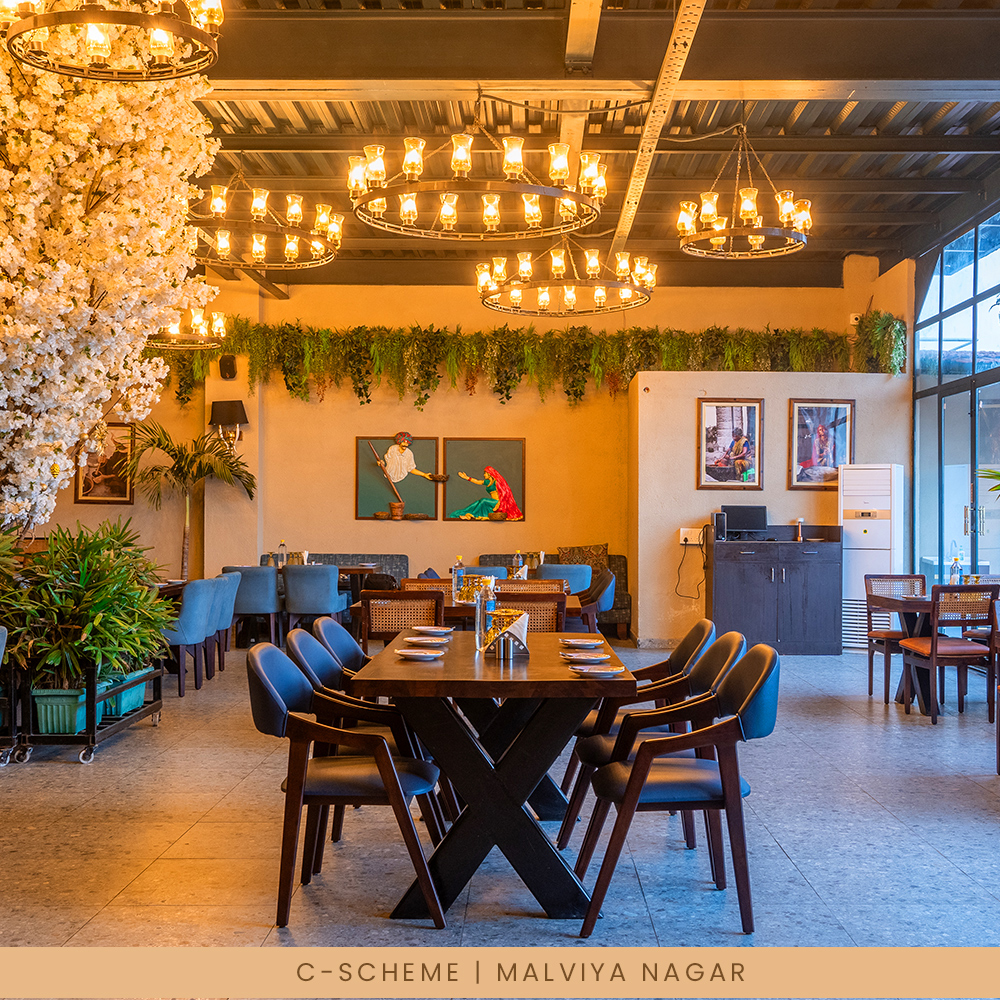
How can you effectively combine vintage and modern furniture styles in your home?
By understanding the distinct characteristics and benefits of vintage and modern furniture, you can skillfully combine them to create a home that is both functional and visually appealing. Whether you lean towards the charm of vintage or the sleekness of modern, blending the two styles can result in a dynamic and personalized living space.
Vintage vs. Modern Furniture: Comparing and Contrasting Different Styles and How to Incorporate Them into Your Home
Vintage Furniture:
Characteristics:
Historical Influence: Reflects styles from past eras, often with intricate detailing and craftsmanship.
Materials: Typically made from solid wood, featuring rich finishes and sometimes ornate designs.
Unique Pieces: Often one-of-a-kind or limited edition, adding a sense of exclusivity and history to your home.
Advantages:
Timeless Appeal: Classic designs that can add character and warmth.
High-Quality Craftsmanship: Often built to last, using durable materials and superior construction methods.
Sustainable Choice: Reusing furniture reduces waste and supports environmental sustainability.
Challenges:
Maintenance: May require more upkeep, such as polishing or refinishing.
Availability: Finding specific pieces can be time-consuming and may require shopping at antique stores or auctions.
Compatibility: May be harder to match with modern decor elements.
Modern Furniture:
Characteristics:
Sleek and Simple: Emphasizes clean lines, minimalism, and functionality.
Materials: Uses a mix of materials, including metal, glass, and engineered wood, often with smooth finishes.
Innovative Designs: Incorporates contemporary aesthetics and new technologies.
Advantages:
Versatility: Easily fits into various decor styles and can be paired with different elements.
Low Maintenance: Often designed for easy cleaning and durability.
Availability: Widely available in stores and online, with a range of options to fit different budgets.
Challenges:
Trendy Nature: Some designs may go out of style quickly.
Perceived Coldness: Can sometimes feel less cozy compared to vintage pieces.
Quality Variance: Mass-produced items can vary greatly in quality.
By understanding the distinct characteristics and benefits of vintage and modern furniture, you can skillfully combine them to create a home that is both functional and visually appealing. Whether you lean towards the charm of vintage or the sleekness of modern, blending the two styles can result in a dynamic and personalized living space.
FAQs
1. How can I combine vintage and modern furniture in my home?
To combine vintage and modern furniture effectively, focus on finding a balance between the two styles. Choose one piece as the focal point, such as a vintage sofa or modern dining table, and build the rest of your decor around it. Use neutral colors and complementing materials (like mixing wood and metal) to create a seamless transition between both styles. Layering textures can also help blend the styles naturally.
2. What are the key differences between vintage and modern furniture?
Vintage furniture is characterized by historical influences, intricate craftsmanship, and the use of traditional materials like solid wood. It has a timeless, often ornate appeal. Modern furniture, on the other hand, is minimalist, functional, and typically features sleek lines with a mix of materials such as metal, glass, and engineered wood. It tends to focus on innovation and practicality.
3. What are the advantages of vintage furniture?
Vintage furniture brings a timeless charm and high-quality craftsmanship to your home. Many vintage pieces are built to last with durable materials. Additionally, they are often unique or limited edition, adding a sense of exclusivity and history to your space. Using vintage furniture is also an eco-friendly choice, as it helps reduce waste by reusing high-quality pieces.
4. What are the challenges of vintage furniture?
Vintage furniture may require more upkeep, such as polishing, refinishing, or repairing, especially if it has been in use for a long time. It can also be harder to find specific pieces, often requiring visits to antique stores or auctions. Vintage furniture can sometimes be difficult to match with modern decor due to its intricate or traditional designs.
5. How can I incorporate modern furniture into my home decor?
Modern furniture can easily be incorporated into any home due to its versatility. Focus on clean lines, minimalism, and practicality. Choose furniture that is functional, easy to maintain, and fits your space’s aesthetic. Modern furniture pieces can complement vintage items by adding balance and contrast in terms of shape, color, and texture.
6. What are the advantages of modern furniture?
Modern furniture is designed with functionality in mind, often featuring low-maintenance, durable materials that are easy to clean. It's widely available and fits seamlessly into various decor styles. Modern furniture offers versatility and can adapt to changing trends, ensuring that your home looks fresh and contemporary.
7. What challenges might I face when incorporating modern furniture into my space?
One of the challenges with modern furniture is that it can sometimes feel cold or impersonal compared to vintage pieces. Additionally, some modern designs can be trendy and may go out of style quickly. The mass production of modern furniture means there can be significant variation in quality between different brands or pieces.
8. Can I mix vintage and modern furniture in the same room?
Yes, you can mix vintage and modern furniture in the same room by carefully selecting pieces that complement each other. Try mixing materials, such as pairing a vintage wooden dining table with modern metal chairs. Consider the color scheme and room layout to create harmony. The key is to maintain balance and avoid overcrowding the space with too many conflicting styles.
9. How do I make a room feel cohesive when mixing vintage and modern styles?
To create a cohesive look, use neutral tones for walls, flooring, and larger pieces to create a common backdrop for both styles. Incorporate similar materials or colors across the room, and consider using modern artwork or accessories to tie the two styles together. Keep the furniture arrangement open and balanced to allow both vintage and modern elements to stand out.
10. Is it better to focus on one style or mix both?
There’s no right or wrong answer. If you prefer a more uniform aesthetic, you can focus on one style. However, mixing vintage and modern can create a dynamic and personalized space. Combining the best of both worlds allows for more creativity and the ability to adapt your home to your changing tastes over time.