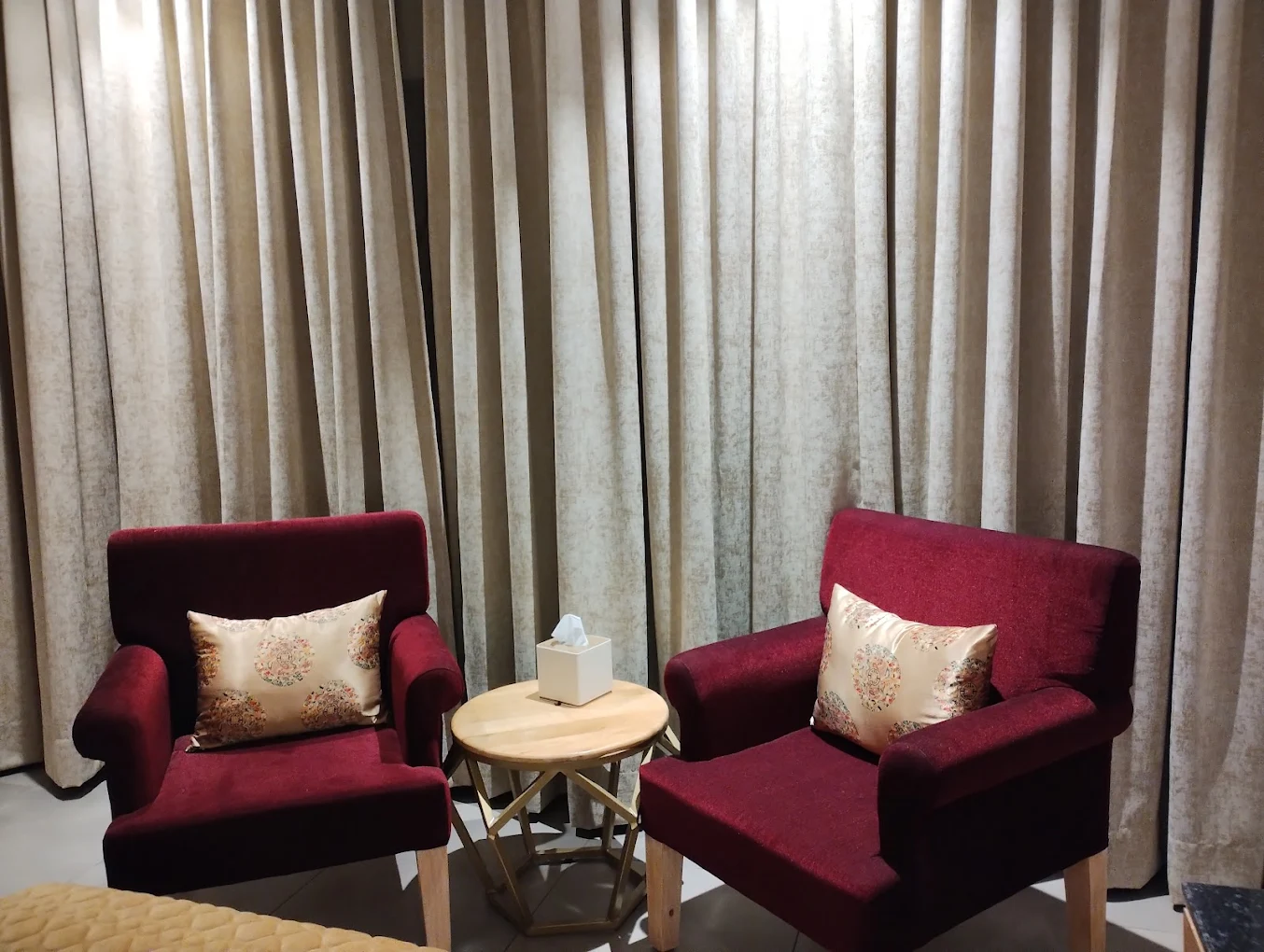


Furniture upholstery fabrics play a vital role in defining the performance, appearance, and overall value of any furniture piece. Upholstery fabric is more than just a covering; it protects the internal structure, enhances comfort, and shapes the personality of the design. Whether it is a residential sofa, a restaurant chair, or a hotel lounge seating arrangement, the right fabric selection directly influences how the furniture performs in real-life conditions.
In furniture manufacturing, fabric selection is a strategic decision rather than a decorative afterthought. Different fabrics offer varying levels of durability, texture, breathability, and maintenance requirements. For example, high-traffic commercial spaces require fabrics that can withstand constant use, resist stains, and maintain their form over time. On the other hand, residential furniture may prioritize softness, warmth, and visual appeal.
The choice of upholstery fabric significantly impacts durability, comfort, aesthetics, and overall cost. Durable fabrics extend the life of furniture, reducing long-term replacement expenses. Comfortable materials improve user experience, while visually appealing textures and colors enhance interior design themes. At the same time, fabric type influences production cost, pricing strategy, and target market positioning. Selecting the right upholstery fabric ensures a balance between function, design, and investment value.

Selecting the right furniture fabric requires balancing performance, practicality, and design goals. One of the most important aspects is durability. The Martindale rub test is commonly used to measure how well a fabric can withstand wear and abrasion. In this test, the fabric is rubbed repeatedly to simulate everyday use. A higher Martindale rating indicates greater resistance to friction, making it suitable for high-traffic environments such as restaurants, offices, and hotels. For residential settings, moderate durability may be sufficient depending on usage.
Maintenance requirements are equally important. Some fabrics are stain-resistant and easy to clean, while others demand professional care. In spaces where spills are frequent, low-maintenance and washable materials are a practical choice.
Usage type plays a major role in fabric selection. Residential furniture often prioritizes softness and aesthetics, whereas commercial furniture demands strength, longevity, and safety compliance.
Climate suitability also affects performance. In humid regions, breathable and moisture-resistant fabrics perform better, while cooler climates may benefit from heavier, warmer materials.
Lastly, budget considerations influence the final decision. High-performance fabrics may involve higher upfront costs but often deliver better long-term value through durability and reduced maintenance expenses.
Click Here to Know More---- About Kernig Krafts Furniture Manufacturing Process

Solid fabrics refer to upholstery materials that feature a single, uniform color without patterns, prints, or intricate designs. Their simplicity makes them highly versatile in furniture manufacturing. Solid fabrics allow the structure, craftsmanship, and silhouette of the furniture to stand out without visual distraction. Because of their clean and timeless appeal, they are widely used in both contemporary and classic interiors. Solid upholstery fabrics can range from matte finishes to textured weaves, offering subtle depth while maintaining a consistent appearance.
Solid fabrics are commonly manufactured using materials such as cotton, polyester, and linen blends. Cotton is breathable, soft, and comfortable, making it suitable for residential furniture. Polyester is valued for its durability, wrinkle resistance, and color retention, especially in high-use environments. Linen blends combine natural texture with improved strength, offering an elegant yet practical solution. These materials can also be blended together to enhance performance characteristics such as stain resistance and longevity.
One of the main advantages of solid upholstery fabrics is design flexibility. They complement various interior themes and pair easily with patterned cushions or decorative elements. Solid fabrics are also easier to coordinate across multiple furniture pieces in commercial projects. Additionally, they tend to age gracefully and are less likely to appear visually outdated compared to trend-based prints.
Solid fabrics are ideal for sofas, accent chairs, dining chairs, and upholstered headboards. In living rooms, they create a clean and cohesive look. In commercial settings such as cafés or hotels, solid upholstery provides a professional and polished appearance. Headboards upholstered in solid fabrics add softness to bedrooms while maintaining a calm and elegant ambiance.
Proper care extends the life of solid upholstery fabrics. Regular vacuuming prevents dust buildup, and immediate spot cleaning helps avoid permanent stains. Using fabric protectors can enhance resistance to spills. For deeper cleaning, professional services may be recommended depending on the material. Choosing the right cleaning method ensures the fabric retains its texture, color, and durability over time.
Click Here to Know More---- About Kernig Krafts Hospitality Furniture Manufacturing

Outdoor furniture fabrics are specifically engineered to withstand environmental exposure while maintaining comfort and visual appeal. Unlike indoor upholstery, outdoor fabrics must resist sunlight, moisture, dust, temperature fluctuations, and frequent cleaning. A suitable outdoor fabric is tightly woven for strength, treated for protection, and designed to prevent fading, mildew, and quick wear. Breathability is also important, as it helps prevent moisture buildup and reduces the risk of unpleasant odors or fabric damage over time.
Two of the most critical properties of outdoor fabrics are UV resistance and water repellency. UV-resistant fabrics are treated or manufactured to prevent color fading and fiber breakdown caused by prolonged sun exposure. This ensures the furniture maintains its appearance even in open spaces. Water-repellent fabrics are designed to resist light rain and spills by preventing moisture from penetrating the fibers. Some fabrics are also quick-drying, reducing the chances of mold and mildew formation. Together, these properties significantly enhance durability and performance in outdoor environments.
Common materials used for outdoor upholstery include acrylic, olefin, and polyester. Acrylic fabrics are known for excellent color retention and UV resistance. Olefin is highly durable, moisture-resistant, and suitable for high-traffic areas. Polyester, often treated with protective coatings, offers strength and affordability. These materials may also be blended or treated to enhance their weather-resistant properties.
Outdoor fabrics are ideal for garden sofas, patio chairs, poolside loungers, and balcony seating. They provide comfort while ensuring the furniture withstands outdoor conditions without compromising style.
Regular maintenance helps extend the life of outdoor fabrics. Brushing off dust, wiping spills promptly, and occasional mild soap cleaning are recommended. During extreme weather, covering or storing cushions indoors can further improve longevity.
Click Here to Know More---- About Kernig Krafts Restaurant Furniture Manufacturing

Leather is one of the most premium materials used in furniture manufacturing, valued for its strength and refined appearance. There are different types of leather, each offering distinct characteristics. Full grain leather is the highest quality, retaining the natural grain and markings of the hide. It is highly durable and develops a rich patina over time. Top grain leather is slightly processed to remove surface imperfections, offering a smoother finish while maintaining durability. Genuine leather, while still real leather, is made from lower layers of the hide and is generally more affordable, though slightly less durable than the higher grades.
Leather furniture is known for its timeless appeal and long lifespan. It is resistant to spills when properly treated, easy to wipe clean, and does not trap dust or allergens as easily as fabric upholstery. Its smooth texture and structured appearance add sophistication to both modern and traditional interiors.
Leather naturally combines luxury with performance. Its strength allows it to withstand daily use without losing form, making it suitable for high-use areas. Over time, quality leather softens and gains character, enhancing its aesthetic value rather than deteriorating.
Leather is widely used in executive office chairs, premium sofas, hotel lounges, and hospitality seating. It creates a professional and upscale atmosphere while ensuring durability in frequently used environments.
To maintain leather furniture, regular dusting and wiping with a soft cloth are recommended. Periodic conditioning prevents drying and cracking, helping the leather retain flexibility and sheen. Avoid direct sunlight and excessive moisture to preserve its natural quality and longevity.
Click Here to Know More---- About Kernig Krafts Cafe Furniture Manufacturing

Leatherette, also known as artificial or faux leather, is a synthetic material designed to replicate the appearance and texture of natural leather. It is typically made by applying a plastic-based coating over a fabric backing, creating a smooth, leather-like surface. Leatherette has become increasingly popular in furniture manufacturing due to its affordability, uniform finish, and easy maintenance. It offers a modern and practical alternative for projects where the look of leather is desired without the higher cost or natural variations.
The two main types of leatherette are PU (polyurethane) and PVC (polyvinyl chloride). PU leatherette is softer, more flexible, and closer in feel to genuine leather. It is generally considered more breathable and environmentally friendly compared to PVC. PVC leatherette, on the other hand, is more rigid and highly resistant to moisture and stains. It is often preferred in heavy-duty commercial applications where durability and water resistance are priorities.
Leatherette offers several advantages over natural leather. It is more affordable, easier to maintain, and available in a wide range of colors and finishes. Unlike natural leather, it does not require conditioning and is less prone to cracking when properly used. It also provides consistent texture and appearance across batches, which is beneficial for large-scale projects.
In terms of cost, leatherette is significantly more budget-friendly than full grain or top grain leather. While it may not develop a natural patina over time, high-quality PU leatherette can still provide good durability for moderate to heavy use. Its lifespan depends on thickness, coating quality, and usage conditions.
Leatherette is ideal for restaurant seating, office chairs, café sofas, and residential dining chairs. In commercial spaces, it performs well due to its easy-clean surface and resistance to spills. In homes, it offers a stylish and practical option for families seeking a leather-like look within a controlled budget.
Click Here to Know More---- About Kernig Krafts Bar Furniture Manufacturing

Leatherette, also known as artificial or faux leather, is a synthetic material designed to replicate the appearance and texture of natural leather. It is typically made by applying a plastic-based coating over a fabric backing, creating a smooth, leather-like surface. Leatherette has become increasingly popular in furniture manufacturing due to its affordability, uniform finish, and easy maintenance. It offers a modern and practical alternative for projects where the look of leather is desired without the higher cost or natural variations.
The two main types of leatherette are PU (polyurethane) and PVC (polyvinyl chloride). PU leatherette is softer, more flexible, and closer in feel to genuine leather. It is generally considered more breathable and environmentally friendly compared to PVC. PVC leatherette, on the other hand, is more rigid and highly resistant to moisture and stains. It is often preferred in heavy-duty commercial applications where durability and water resistance are priorities.
Leatherette offers several advantages over natural leather. It is more affordable, easier to maintain, and available in a wide range of colors and finishes. Unlike natural leather, it does not require conditioning and is less prone to cracking when properly used. It also provides consistent texture and appearance across batches, which is beneficial for large-scale projects.
In terms of cost, leatherette is significantly more budget-friendly than full grain or top grain leather. While it may not develop a natural patina over time, high-quality PU leatherette can still provide good durability for moderate to heavy use. Its lifespan depends on thickness, coating quality, and usage conditions.
Leatherette is ideal for restaurant seating, office chairs, café sofas, and residential dining chairs. In commercial spaces, it performs well due to its easy-clean surface and resistance to spills. In homes, it offers a stylish and practical option for families seeking a leather-like look within a controlled budget.
Click Here to Know More---- About Kernig Krafts Hotel Furniture Manufacturing

Click Here to Know More---- About How Furniture is Customized


Gaurika Fabric, Divano and AN are Fabric providers used in the furniture manufacturing process
Choosing the right fabric for a furniture project depends on how the piece will be used, where it will be placed, and the balance you want between aesthetics, comfort, and performance. Below are tailored recommendations for residential, hospitality, and office environments to help you make the best decision.
For homes, comfort and style often take priority. Solid fabrics like cotton blends, linen, and performance weaves are excellent for living room sofas, accent chairs, and bedroom headboards. They offer softness, a wide range of colors, and visual warmth that suits personal spaces. If durability and low maintenance are critical—especially in homes with pets and children—opt for performance fabrics with stain resistance. Leatherette is another great choice for dining chairs and recliners because it is easy to clean and offers a sleek, modern look. For a touch of luxury, leather can elevate master bedroom seating or family room sofas, aging beautifully over time.
Hospitality environments like hotels, cafés, and restaurants demand fabrics that withstand heavy use while maintaining style. Outdoor fabrics and high-performance solid fabrics are ideal for lounges, patio seating, and guest rooms because of their resistance to stains, moisture, and fading. Leather works exceptionally well in upscale hotels, executive suites, and lobby seating, presenting a premium feel that lasts. In high-traffic dining areas, PVC leatherette offers robustness and easy cleaning without compromising aesthetics.
For office settings, durability and professional aesthetics are key. Leather remains a top choice for executive chairs, boardroom seating, and reception areas due to its polished appearance and long-lasting nature. Leatherette (especially PU) is a practical alternative for task chairs and meeting rooms, balancing cost-effectiveness with easy maintenance. Solid performance fabrics are suitable for collaborative spaces and breakout seating, ensuring comfort and resilience in daily use.
Selecting the right upholstery material is one of the most important decisions in furniture manufacturing and purchasing. Each fabric type—solid fabrics, outdoor fabrics, leather, and leatherette—offers unique characteristics suited to different environments and expectations. Solid fabrics provide versatility, comfort, and design flexibility for residential and indoor commercial spaces. Outdoor fabrics are engineered for durability against sunlight, moisture, and environmental exposure. Leather delivers unmatched luxury, strength, and long-term value, while leatherette offers a practical, cost-effective alternative with easy maintenance and modern appeal.
Choosing the right material ultimately depends on your specific needs, usage conditions, and available budget. For high-traffic commercial projects, durability and maintenance efficiency should guide the decision. In residential settings, comfort, aesthetics, and lifestyle factors play a larger role. Budget considerations are equally important—while premium materials may involve higher upfront investment, they often provide better longevity and reduced replacement costs over time.
Fabric selection directly impacts furniture lifespan. The right upholstery protects the internal structure, maintains visual appeal, and withstands daily wear. Poor fabric choice, on the other hand, can lead to early fading, tearing, or discomfort. By carefully evaluating performance, environment, and financial planning, you ensure furniture that not only looks beautiful but continues to perform reliably for years.
High-performance polyester blends, tightly woven fabrics, and leather are among the most durable options. For heavy use, choose fabrics with a high Martindale rating or full grain/top grain leather.
Leather offers premium quality, breathability, and long lifespan. Leatherette is more affordable, easier to maintain, and suitable for high-traffic areas. The better choice depends on budget and usage.
Acrylic, olefin, and treated polyester fabrics are best for outdoor furniture due to UV resistance, water repellency, and mildew protection.
Yes, if they are commercial-grade with high abrasion resistance and stain protection. Always check durability ratings before selection.
